
Last updated September 19, 2026
Full 25-point door and opener safety check with every visit - springs, cables, rollers, tracks, and your LiftMaster or Chamberlain opener included
You get a price before we start. It does not change when the truck arrives.
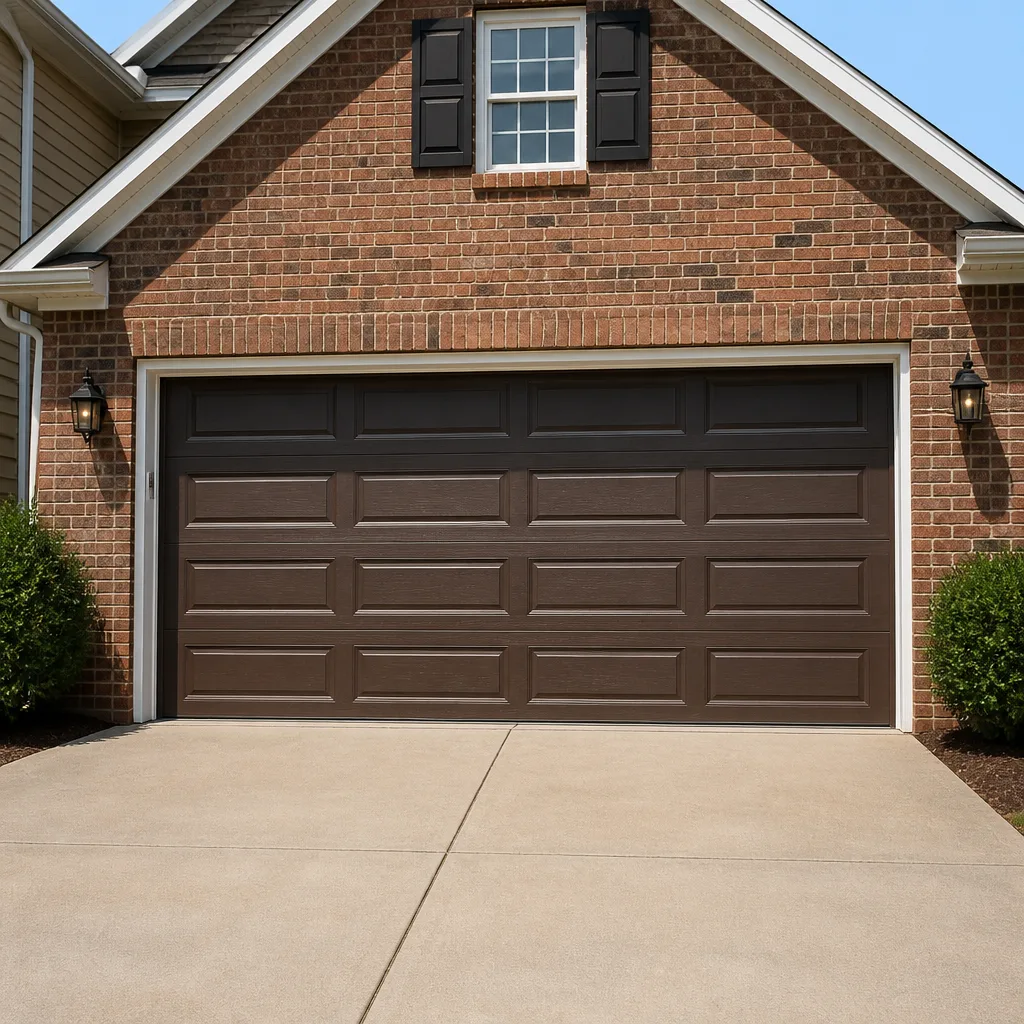
Carriage house

Full-view glass
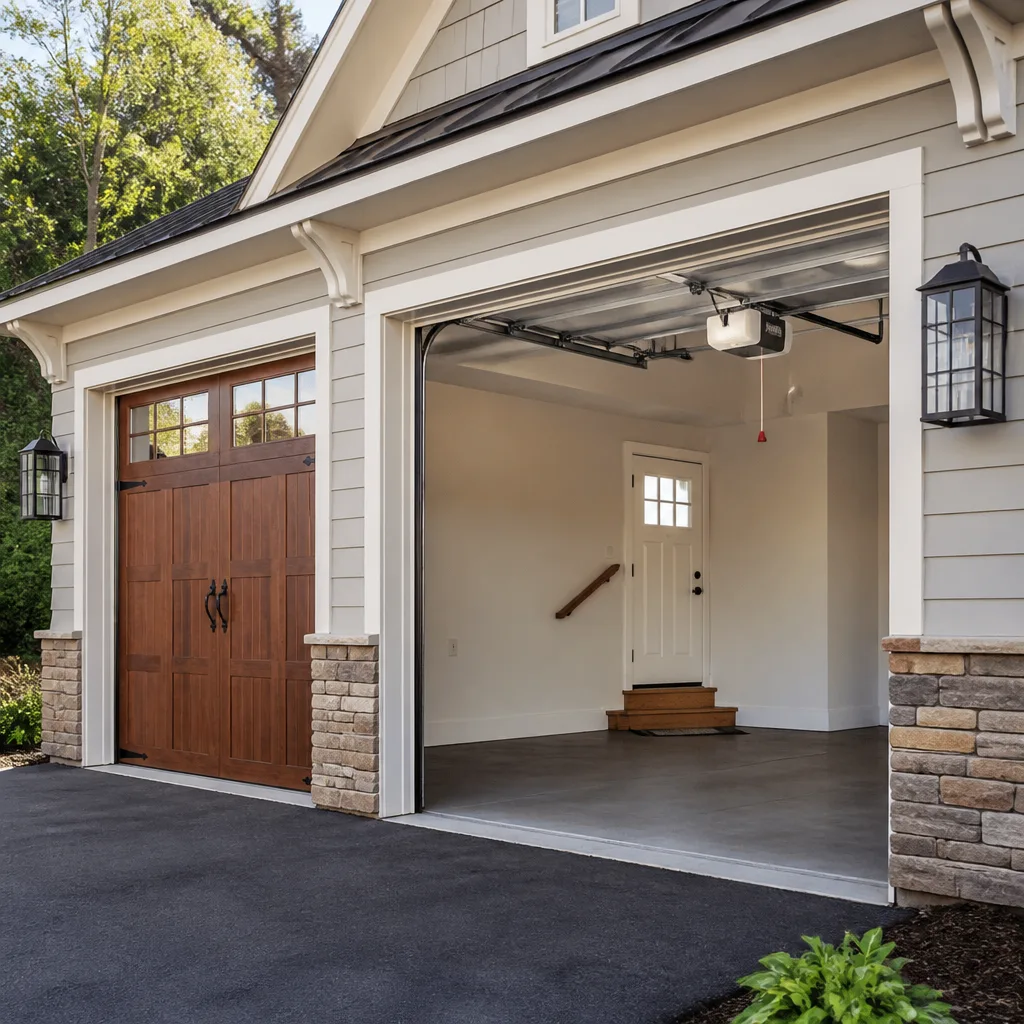
Chamberlain openers
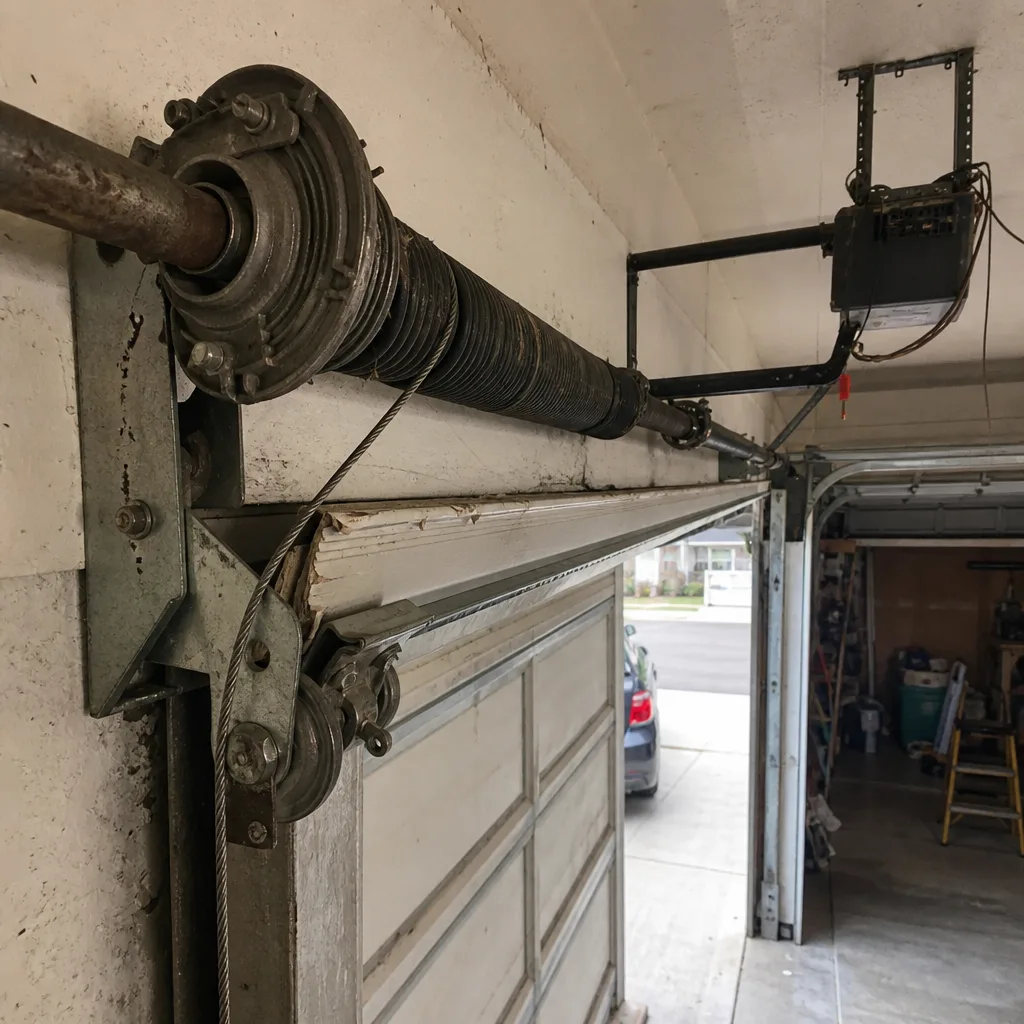 Before
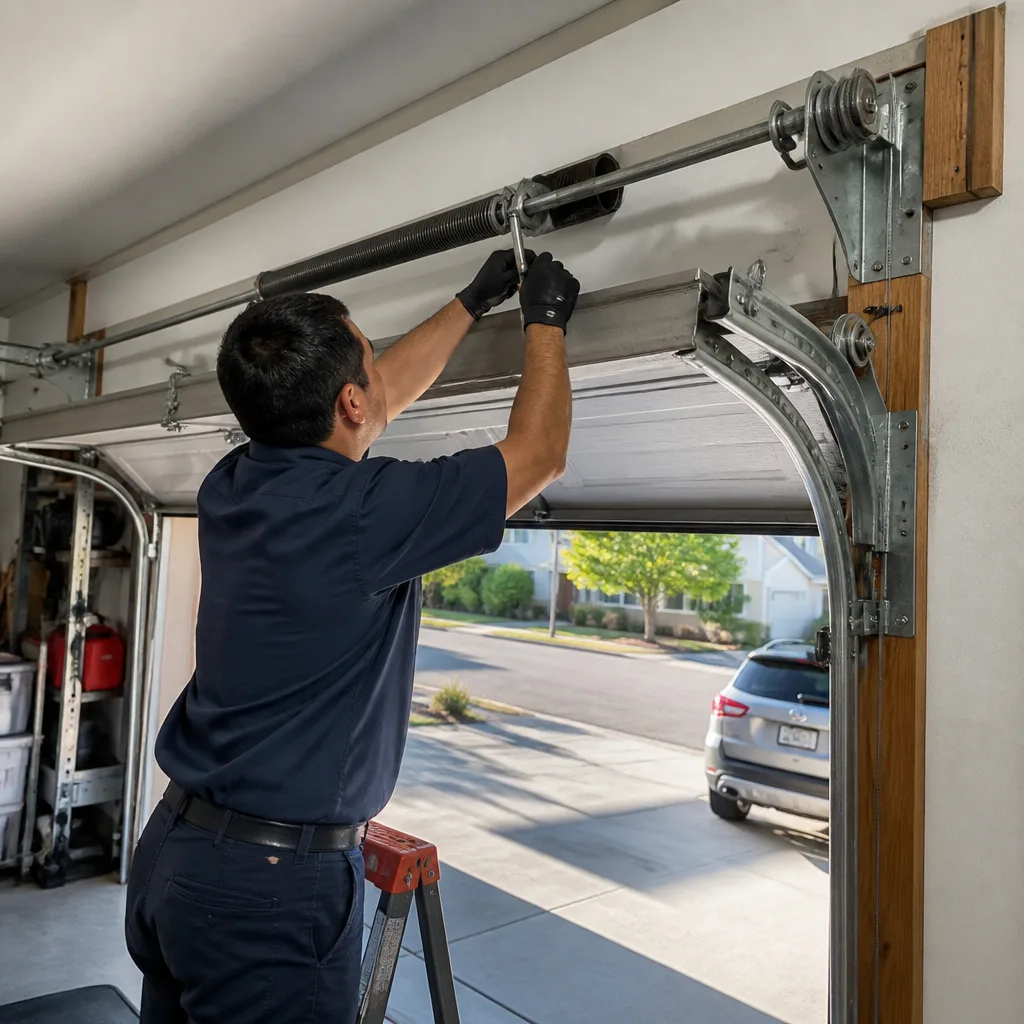 After
After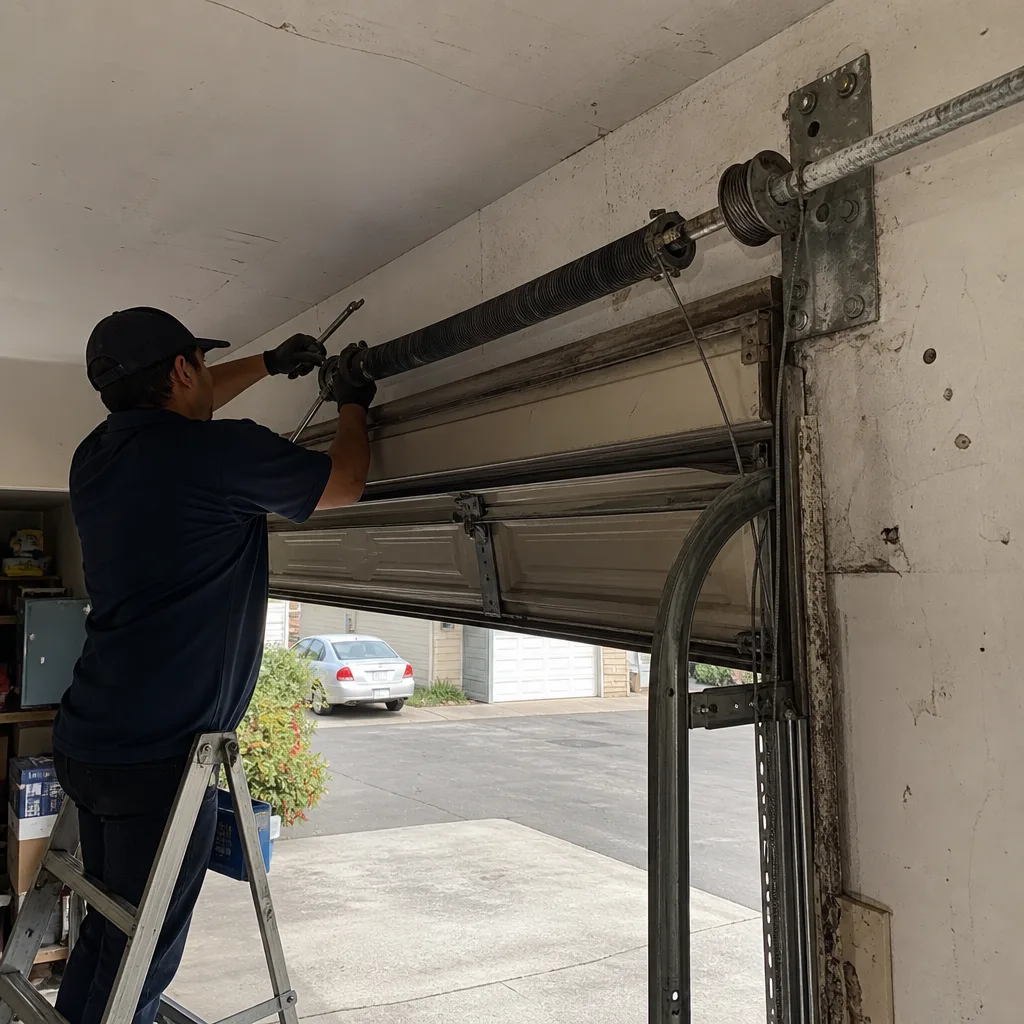 Before
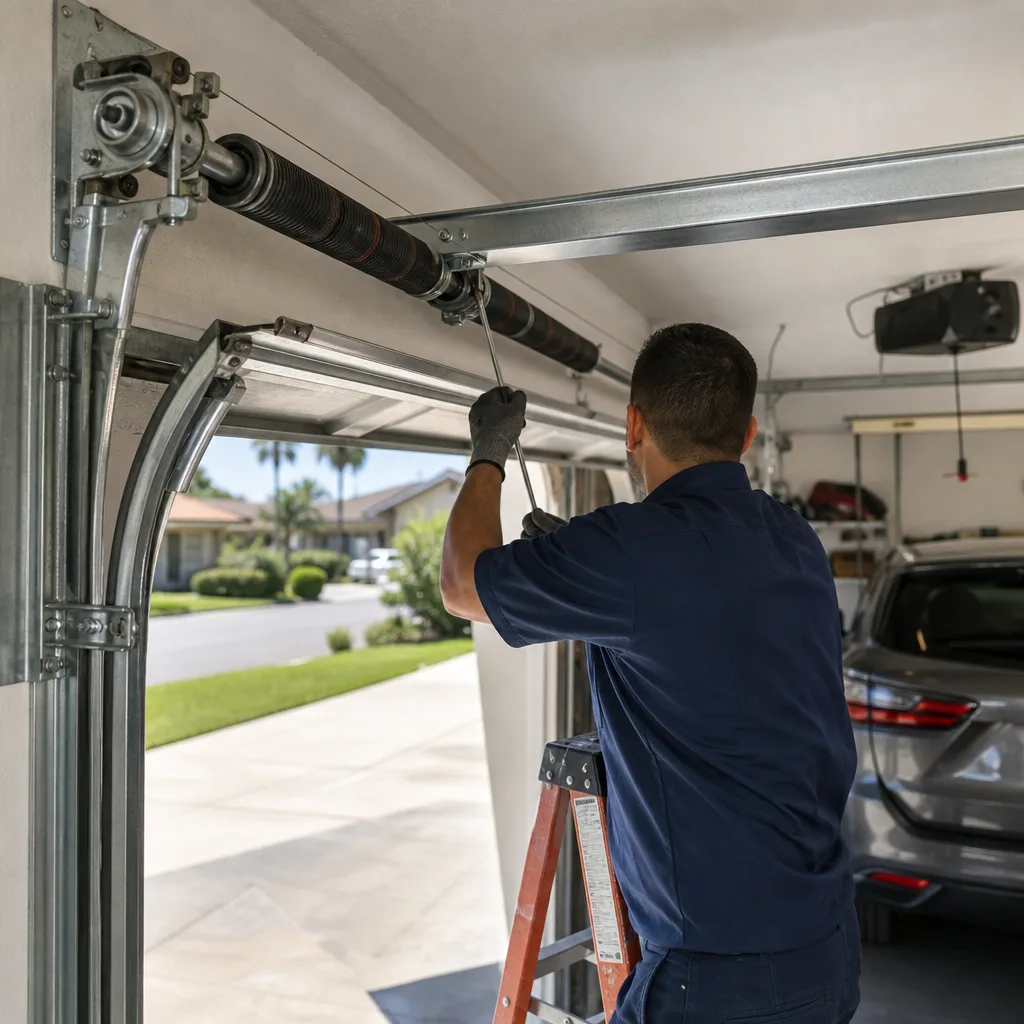 After
After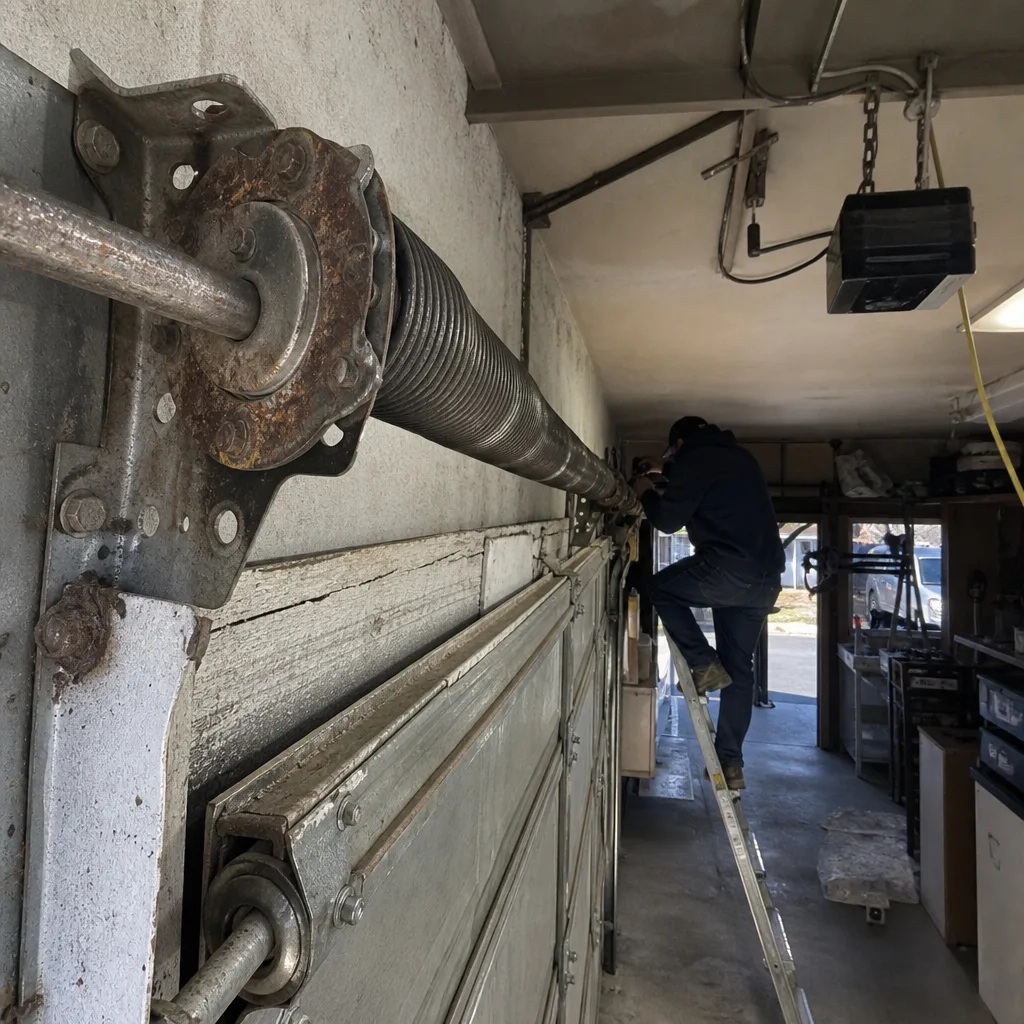 Before
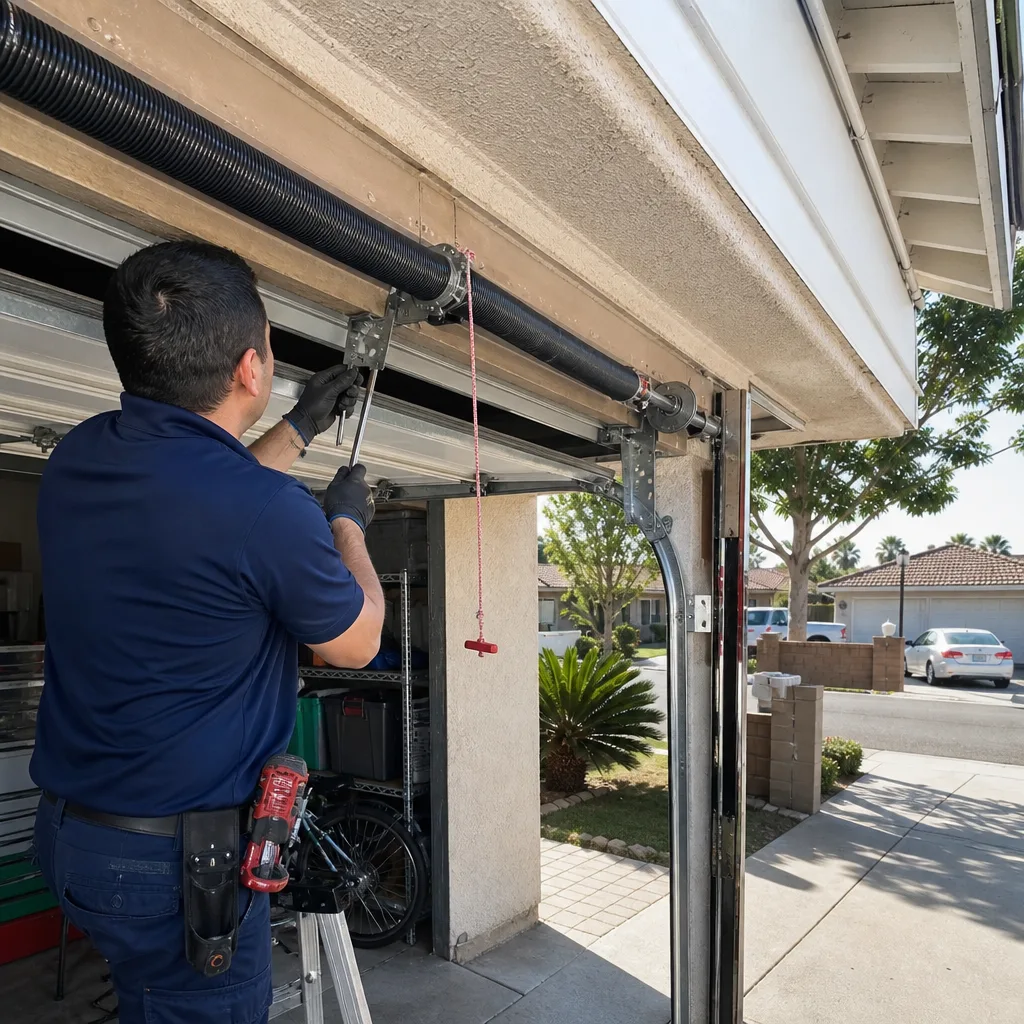 After
AfterGarage Door Permits, Codes & Inspections in CA: What You Need to Know
Most Anaheim homeowners assume any garage door work requires a permit, or that none of it does. Both assumptions cost money. The truth sits in a narrow band of California Building Code provisions that hinge on one question: does the job alter the fire-rated separation between your garage and your living space? Replace an opener on a Saturday morning and no one at the City of Anaheim cares. Swap a hollow wood door for a solid steel one on that same wall and you’ve triggered a permit requirement that, if ignored, can follow you into an insurance claim years later. This guide maps exactly which jobs need a permit in Anaheim, what inspectors actually look at, and how to fix unpermitted work before it becomes a problem. For related reading, see our Garage Door Warning Signs: A Anaheim Homeowner’s Reference Guide.
Quick Answer
A garage door opener replacement in Anaheim requires no permit. A garage door replacement on a wall that separates the garage from living space generally requires a permit because California Building Code Section 406 treats that wall and its openings as part of a fire-rated assembly. The permit exists to verify the new door, its mounting, and its safety sensors meet the same fire-separation and entrapment-protection standards the original was built to. If you’re replacing an existing door with a like-for-like door on a non-fire-rated wall, you may not need a permit at all, but the City of Anaheim uses the wall’s function, not the door’s appearance, as the test.
Table of Contents
- When a Permit Is Actually Required in Anaheim
- California Building Code Section 406: What the Fire-Rated Wall Rule Means for Your Door
- UL 325 Entrapment Protection: What Inspectors Check on Opener Work
- What Happens to Your Homeowner’s Insurance When Unpermitted Work Shows Up
- How to Request a Retroactive Permit in Anaheim
- What a Garage Door Inspection Covers in Anaheim
- Common Mistakes to Avoid
- When to Call a Professional
- Frequently Asked Questions
- The Bottom Line
BeforeAfterWhen a Permit Is Actually Required in Anaheim
The City of Anaheim follows the California Building Code (CBC), which means the permit threshold isn’t about the door itself as much as it’s about the wall assembly the door sits in. Section 406 of the CBC requires a fire-rated separation between an attached garage and the dwelling unit. That separation wall includes every opening in it, which means the garage door, the door between the garage and the house, and any windows in that wall. When you change one of those openings, you’re altering a fire-rated assembly, and that triggers a permit.
Here’s the practical breakdown we’ve seen in Anaheim:
- Like-for-like door replacement on a non-fire-rated wall: Generally no permit. Detached garages in older Anaheim neighborhoods like the Colony fall into this category more often than attached garages in newer tracts.
- Like-for-like door replacement on a fire-rated wall: Permit usually required. This is the most common scenario for attached garages in Anaheim Hills, Platinum Triangle condos, and most single-family homes built after 1990.
- Changing the door opening size: Permit always required. Widening or heightening the opening means structural work on the header, and that’s a plan-check-level change.
- Opener replacement only: No permit. The opener is not part of the fire-rated assembly. It’s an appliance that attaches to the ceiling and the door.
- Adding a garage door where none existed: Permit always required. This is new construction on the wall assembly, not a repair.
The City of Anaheim Building Division will not proactively explain the fire-rated wall distinction when you call for a general answer. That’s why we tell our customers to check one thing first: is your garage attached to the house? If yes, assume the wall between the garage and living space is fire-rated and plan for a permit. If no, the chances of requiring one drop significantly.
California Building Code Section 406: What the Fire-Rated Wall Rule Means for Your Door
Section 406 of the CBC governs garages and carports. The provision that matters for door work is the requirement that the wall separating an attached garage from a residence be rated for one hour of fire resistance. The door in that wall has to be rated accordingly, usually 20-minute fire-rated for the pedestrian door and a listed garage door for the vehicle opening. The purpose: a car fire in the garage should take roughly an hour to reach the living space, giving occupants time to get out and the fire department time to arrive.
Three things in Section 406 affect your garage door decision:
- Door material and rating: The door itself must be a listed fire-rated door if it sits in a fire-rated wall. Most modern steel and fiberglass garage doors carry a 20-minute rating as manufactured. An unrated wood door from a custom builder may not, even if it looks identical.
- Self-closing devices: The pedestrian door between the garage and house must have a self-closing hinge or closer. The vehicle garage door does not need to self-close, but it must be kept closed when not in active use. That’s a code requirement, not just a security suggestion.
- Ducts and penetrations: No ducts from the house HVAC system may run through the garage wall. If your garage door work involves moving or adding any penetration adjacent to the door, the fire-rating gets compromised and the inspector will flag it.
In our experience in Anaheim, the most common Section 406 violation we find isn’t the door panel itself. It’s the mounting and flashing around the door. A door that’s been replaced without a permit often gets screwed into the existing rough opening without the fire-rated caulk or intumescent sealant that the original assembly had. Fire-rated assemblies are systems, not parts. The door panel matters, but so do the fasteners, the jamb, the header seal, and the gap tolerances.
UL 325 Entrapment Protection: What Inspectors Check on Opener Work
UL 325 is the federal safety standard for automatic garage door openers, adopted into California law and enforced by building inspectors on permitted opener work and by manufacturers on warranty claims. It governs entrapment protection - the systems that keep a closing door from crushing a person, a pet, or a bicycle. Every modern opener in Anaheim has to meet it, whether a permit was pulled or not.
When an inspector checks opener work, these are the four UL 325 items they verify:
- Photo-eye sensor placement: The sensors must be mounted between 3 and 6 inches off the floor, on each side of the door opening, facing each other with a clear line of sight. A sensor gap wider than 6 inches is a code violation and a common fail point.
- Auto-reverse function: The door must reverse within 2 seconds of encountering a 1.25-inch obstruction on the floor. Inspectors test this with a 2×4 laid flat under the door. If the door doesn’t reverse, the system fails.
- Manual release accessibility: The red emergency release handle must be accessible and functional, with the pull cord within 6 feet of the floor. This allows manual operation during a power outage or entrapment emergency.
- Force settings: The opener’s downward force setting must be low enough that the door stops or reverses when it hits resistance. A door set too aggressively will crush what it hits. A door set too lightly won’t close reliably. Inspectors look for the manufacturer’s recommended range.
We’ve replaced openers in Anaheim where the photo-eye sensors were mounted 8 inches off the floor because the homeowner’s storage racks blocked the correct height. The opener worked fine day to day, but it would have failed an inspection and, more importantly, a child lying on the floor would not have broken the beam. The fix is simple: move the sensors to the 3-to-6-inch zone and relocate the storage. If the sensors were part of a permitted installation, that adjustment matters for your final inspection sign-off.
What Happens to Your Homeowner’s Insurance When Unpermitted Work Shows Up
California homeowners insurance policies contain a standard provision that excludes coverage for damage caused by, or worsened by, work done without a required permit. The relevant language usually appears under “Concealment or Fraud” or “Duties After Loss,” and it’s broader than most homeowners realize. The insurer doesn’t need to prove you knew a permit was required. They need to prove the work should have had one and didn’t.
We’ve watched this play out in Anaheim in two common scenarios:
Scenario 1: Door replacement, no permit, later fire claim
A homeowner replaces an attached garage door with a new steel model. No permit is pulled because the contractor said it wasn’t needed. Three years later, a fire starts in the garage and spreads to the house faster than expected. The insurance adjuster reviews the claim, discovers the unpermitted door replacement, and determines the fire-rated separation was compromised by non-compliant mounting. The claim for structural damage to the house is denied or reduced. The insurer’s position: the homeowner altered a fire-rated assembly without inspection, and that alteration contributed to the loss.
Scenario 2: Water damage from an unpermitted opening modification
A homeowner widens the garage door opening to fit a larger vehicle. The header work is done without a permit. A heavy rain season floods the garage because the through-wall flashing was never inspected. The insurer denies the water damage claim on the grounds that unpermitted structural work caused the failure. Even if the work itself was done competently, the absence of an inspection record gives the insurer a basis to deny.
The specific policy language matters, and California insurers vary in how aggressively they enforce it. What’s consistent is this: an unpermitted alteration to a fire-rated wall becomes an easy denial trigger the moment a claim involves fire, water, or structural damage in or near the garage. The permit isn’t bureaucracy. It’s the document that keeps your policy enforceable.
How to Request a Retroactive Permit in Anaheim
If you’ve discovered that previous garage door work in your Anaheim home was done without a permit, the fix is a retrofit permit, sometimes called a “permit after the fact.” The City of Anaheim allows this, but the process is more involved than pulling a permit in advance because the building division needs to verify the existing work meets code before they’ll sign off.
Here’s the How to Hire a Garage Door Contractor in Anaheim: A Step-by-Step Guide process we’ve guided customers through:
- Determine the scope: Was the work a door replacement only, or does it include structural changes to the opening? If structural, you’ll need a structural engineer’s evaluation before the city will accept the permit application. Door-only retrofits are simpler.
- Apply through the City of Anaheim Building Division: You’ll file a permit application describing the existing work as “permit after the fact.” The city will assign a plan reviewer to determine whether the work falls under the permit threshold. For a door-only replacement on a fire-rated wall, the answer is typically yes, a permit is required retroactively.
- Pay the permit fee plus any penalties: The City of Anaheim charges a permit fee based on the project valuation. Retroactive permits often carry an additional fee equal to 50% to 100% of the base permit fee. For a typical garage door replacement, the base fee is usually in the $150 to $400 range, making the total retrofit cost somewhere between $225 and $800 depending on scope. These are our observed ranges in Anaheim, not a guaranteed quote from the city.
- Schedule an inspection: Once the permit is issued, the city will send an inspector to verify the existing door meets code. The inspector checks the fire-rating of the door, the mounting, the UL 325 entrapment protection if an opener is installed, and the flashing and sealing around the opening.
- Correct any deficiencies: If the inspector finds issues, you’ll receive a correction notice with a deadline. Common retrofit corrections in Anaheim include missing intumescent sealant around the door frame, non-rated replacement panels, and photo-eye sensors mounted outside the 3-to-6-inch height band.
- Close the permit: After corrections and reinspection, the permit gets closed and you receive a final inspection record. That record is what you’ll show your insurance company if a claim ever touches the garage.
The retrofit process usually takes 2 to 4 weeks in Anaheim when the existing work is basically sound. If the work is deficient, expect longer because you’ll be scheduling repairs before reinspection. The cost of a retrofit permit is almost always less than the deductible on a denied claim.
What a Garage Door Inspection Covers in Anaheim
When the City of Anaheim sends an inspector to sign off on permitted garage door work, they’re working from a checklist that combines CBC Section 406 with UL 325 and the manufacturer’s installation instructions. Knowing what’s on that checklist before the inspection prevents a failed first visit.
Here’s what the inspector will verify:
- Fire-rated door listing: The door panel must carry a label or documentation showing its fire rating, typically 20 minutes for a vehicle door in a one-hour wall. Unlabeled custom doors fail this check.
- Frame and rough opening sealant: Inspectors look for fire-rated caulk or intumescent sealant around the door frame and between the frame and the rough opening. Gaps larger than 1/8 inch are often flagged.
- Header and jamb fastening: The door’s track and spring assembly must be fastened to the structure with the manufacturer’s specified fasteners, not drywall screws. A torsion spring bracket bolted with undersized hardware is a common correction item.
- UL 325 entrapment protection: The photo-eye sensor height, the auto-reverse function, and the manual release accessibility are all tested on site.
- Spring containment: Extension springs, if used instead of torsion springs, must have a safety containment cable running through the spring’s center in case of spring failure. An uncontained extension spring is an automatic fail.
- Self-closing pedestrian door: If your permit scope includes the pedestrian door between the garage and house, the inspector verifies the self-closing hinge is installed and functional.
One of the more common surprises in Anaheim inspections is the spring containment requirement. Homeowners who replace their own extension springs without a permit often don’t know that a safety cable is code. The cable costs under $10 and takes a few minutes to install, but its absence fails an inspection immediately. If you have extension springs and you’re facing an inspection, check for the cable before the inspector arrives.
For context on how garage door work fits into the broader repair landscape, our Garage Door Repair in Anaheim page covers the most common service call types and what they typically cost in this market.
Common Mistakes to Avoid
- Assuming “like-for-like” means no permit. The City of Anaheim cares about the wall, not the door. A same-size door replacement on a fire-rated separation wall needs a permit even if the new door looks identical to the old one. The fire rating of the panel and mounting is what matters.
- Skipping the permit because the contractor said it wasn’t needed. Some contractors in Anaheim will tell you a door replacement doesn’t need a permit because they don’t want to schedule the inspection or because they’ve never been caught. The permit protects you, not the contractor. If the work should have been permitted and wasn’t, the risk falls on your insurance policy.
- Mounting photo-eye sensors at the wrong height. The 3-to-6-inch height requirement isn’t a suggestion. We’ve seen sensors mounted at 8 and 10 inches because storage racks were in the way, and every one of those would have failed an inspection. Move the storage, not the sensors.
- Replacing an extension spring system without a containment cable. If your door uses extension springs and you or a handyman replaced them without adding or retaining the safety cable that runs through the spring’s center, your door is out of code. In the event of spring failure, that cable is what keeps the broken spring from becoming a projectile.
- Failing to keep the permit record after the work is done. The final inspection sign-off is your insurance defense. File it with your home records. If you sell the house, that record transfers and protects the next owner too.
- Mixing fire-rated and non-rated components in the same assembly. A fire-rated door panel mounted in a frame that wasn’t sealed with fire-rated caulk does not perform as a rated assembly. The inspector checks the system, not just the panel. We’ve seen Anaheim homeowners buy a listed door and then let a handyman install it with standard silicone, which defeats the rating.
When to Call a Professional
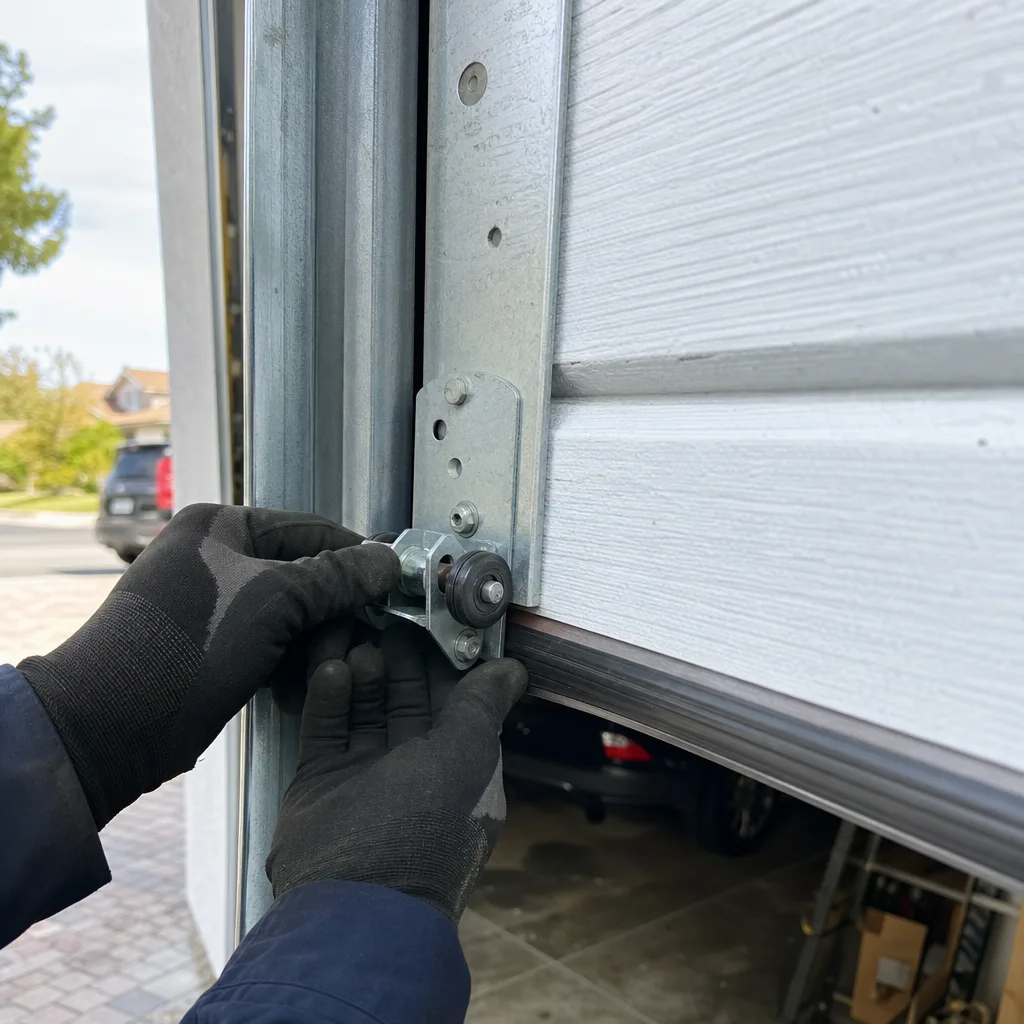
Some garage door work is genuinely manageable for a capable homeowner: replacing weatherstripping, swapping a remote control, lubricating rollers, tightening fasteners. None of that requires a permit or an inspection. But when the work touches the fire-rated assembly, the entrapment protection system, or the spring tensioning, the stakes change. A door that’s out of balance because the springs weren’t torqued correctly puts the entire system under stress. High-tension torsion springs store enough energy to cause serious injury if mishandled during adjustment, which is why we always recommend a trained professional for spring work. Servo Garage Doors Anaheim offers free estimates in Anaheim - call (949) 822-8002 and we’ll send a technician who carries the tooling to do the job safely and the documentation to prove it was done to code.
If you’re planning a full door replacement rather than a repair, our Garage Door Installation in Anaheim page walks through the replacement process, including what documentation you should expect from the installer.
Frequently Asked Questions
No. An opener replacement is not a permit-triggering alteration in the City of Anaheim because the opener is not part of the fire-rated wall assembly. The work still has to meet UL 325 entrapment protection standards, and a reputable installer will verify sensor height, auto-reverse function, and force settings as part of the job even without an inspection. If you need an opener replaced, our Garage Door Opener Repair & Installation in Anaheim page covers the brands we service, including LiftMaster and Chamberlain.
If the wall between the garage and your living space is fire-rated, which is true for most attached garages in Anaheim, then yes, replacing the door triggers a permit requirement even if the new door is the same size. The permit verifies the new door’s fire rating and mounting meet CBC Section 406. If the garage is detached and the wall is not fire-rated, a like-for-like replacement typically does not require a permit.
Unpermitted work on a fire-rated assembly becomes a disclosure issue in a sale. Anaheim sellers are required to disclose known unpermitted work to buyers, and buyers in this market routinely order permit history checks. Undisclosed unpermitted work can lead to post-sale liability claims. The cleanest route is to pull a retroactive permit before listing or to disclose the work and negotiate accordingly. We’ve helped Anaheim sellers get retrofit permits closed before their listing went live.
Based on the permit fees we’ve seen on Anaheim door replacement jobs, a standard garage door permit typically runs between $150 and $400 when pulled in advance. A retroactive permit after the work is done usually adds a penalty of 50% to 100% of the base fee, putting the total retrofit cost in the $225 to $800 range for a door-only scope. Structural changes to the opening increase the fee because the valuation increases. These are observed ranges, not a City of Anaheim price list, and the building division can give you the exact fee schedule.
California policies commonly exclude coverage for damage caused or worsened by unpermitted work that required a permit. The insurer reviews the permit history when a claim involves fire, water, or structural damage in or near the garage. If the unpermitted door work is found to have contributed to the loss, the claim can be denied or reduced. The permit record is what keeps the policy enforceable on garage-related claims.
Anaheim is not in a designated high-wind zone like some coastal or mountain communities, so wind-load rating requirements are less stringent here than in places like Santa Ana with high-wind exposure. What Anaheim does enforce strictly is the fire-rating requirement on attached garages and the UL 325 entrapment protection on openers. If you’re replacing a door, the fire rating matters more than the wind rating in this market.
You can install your own door, but that doesn’t remove the permit requirement if the wall is fire-rated. The permit obligation attaches to the work being done, not to who does it. A homeowner who installs their own door on an attached garage without a permit carries the same compliance risk as hiring an unpermitted contractor. If you do the work yourself, pull the permit and have it inspected. If you’d rather have it done and documented, call (949) 822-8002 for a written price before any work starts.
The Bottom Line
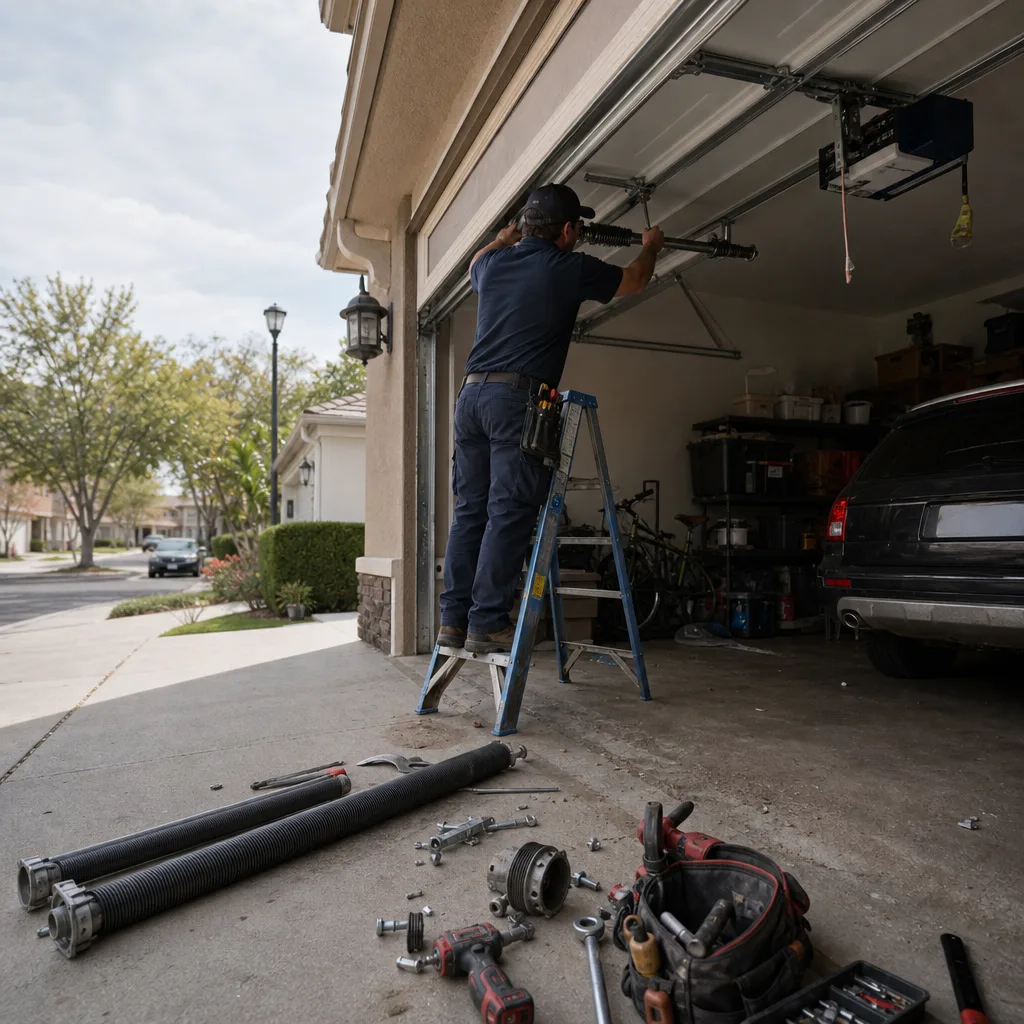
The California permit rules for garage doors are narrower than most homeowners fear but sharper than most expect. Openers are exempt. Door replacements on attached garages are not, because the fire-rated wall between your garage and living space is governed by CBC Section 406 and the city enforces it. The good news: a permit in Anaheim is a few hundred dollars and a single inspection visit. The bad news: skipping it can hand your insurance company a claim denial years later. The smart play is a phone call to the building division, a clear answer on whether your specific wall is fire-rated, and a door installation done to code with the paperwork to prove it. If you’d rather have the permit handled and the door installed right the first time, Servo Garage Doors Anaheim works with the City of Anaheim’s inspection schedule and provides a written price before any work begins. Explore more guides & resources on our blog.
For more on how we approach garage door work in this market, start at the Servo Garage Doors Anaheim home page and review our process documentation, pricing commitment, and service area.
Written by Marcus Deller, Owner at Servo Garage Doors Anaheim, serving Anaheim since 2015.