
Last updated September 19, 2026
Full 25-point door and opener safety check with every visit - springs, cables, rollers, tracks, and your LiftMaster or Chamberlain opener included
You get a price before we start. It does not change when the truck arrives.
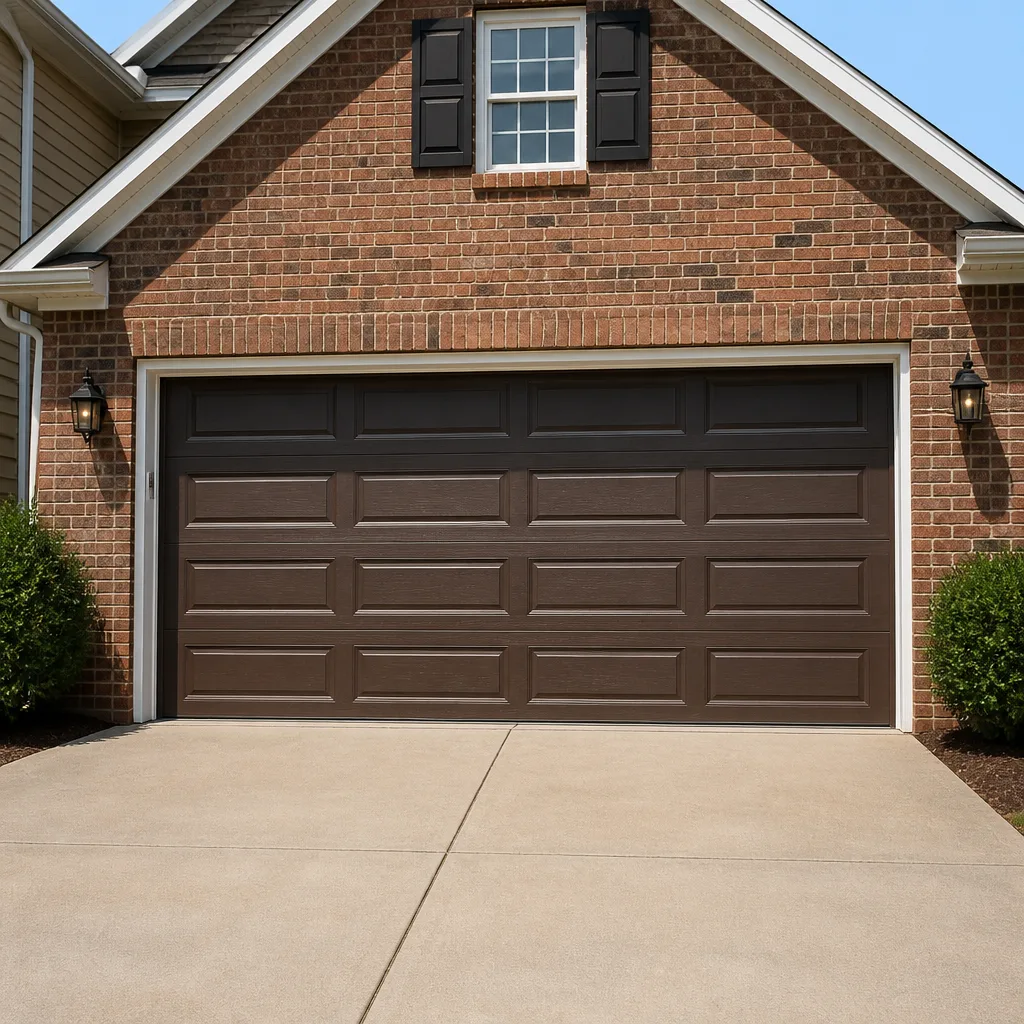
Carriage house
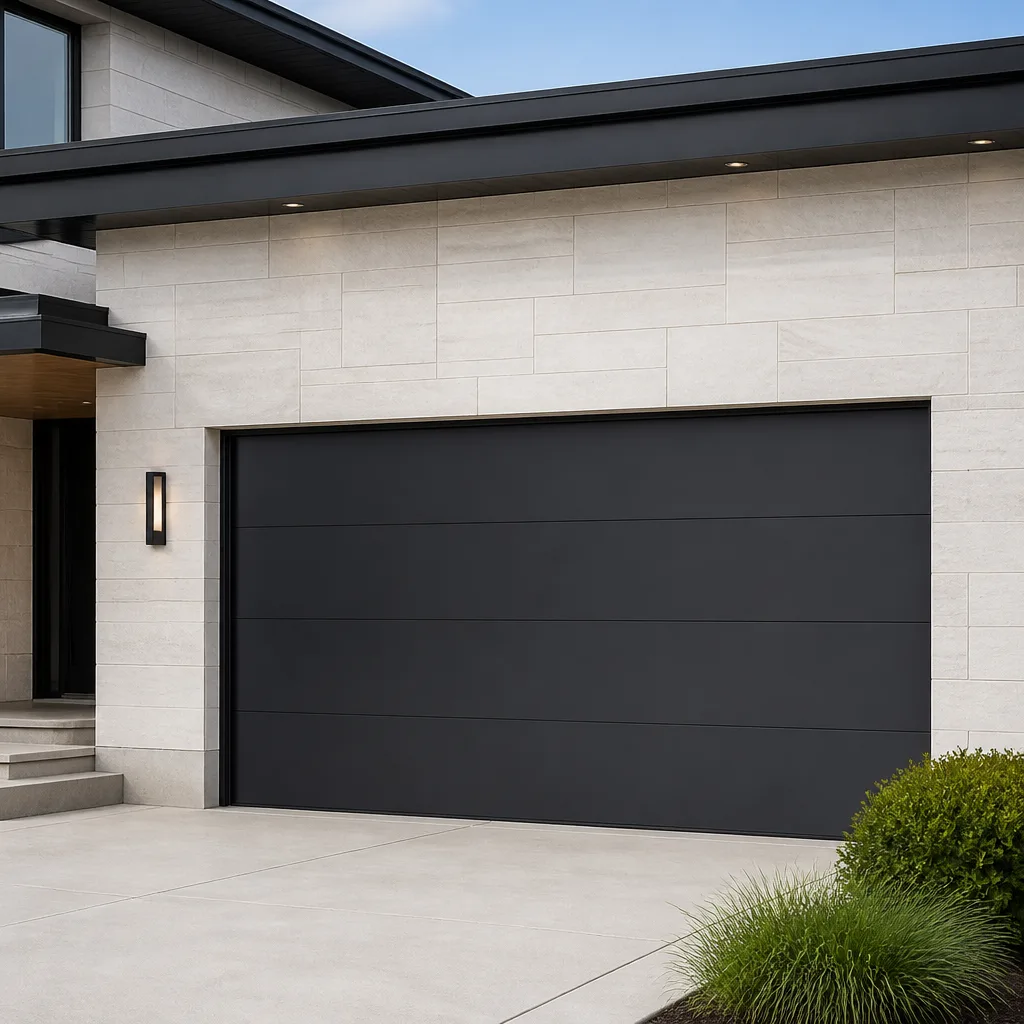
Full-view glass
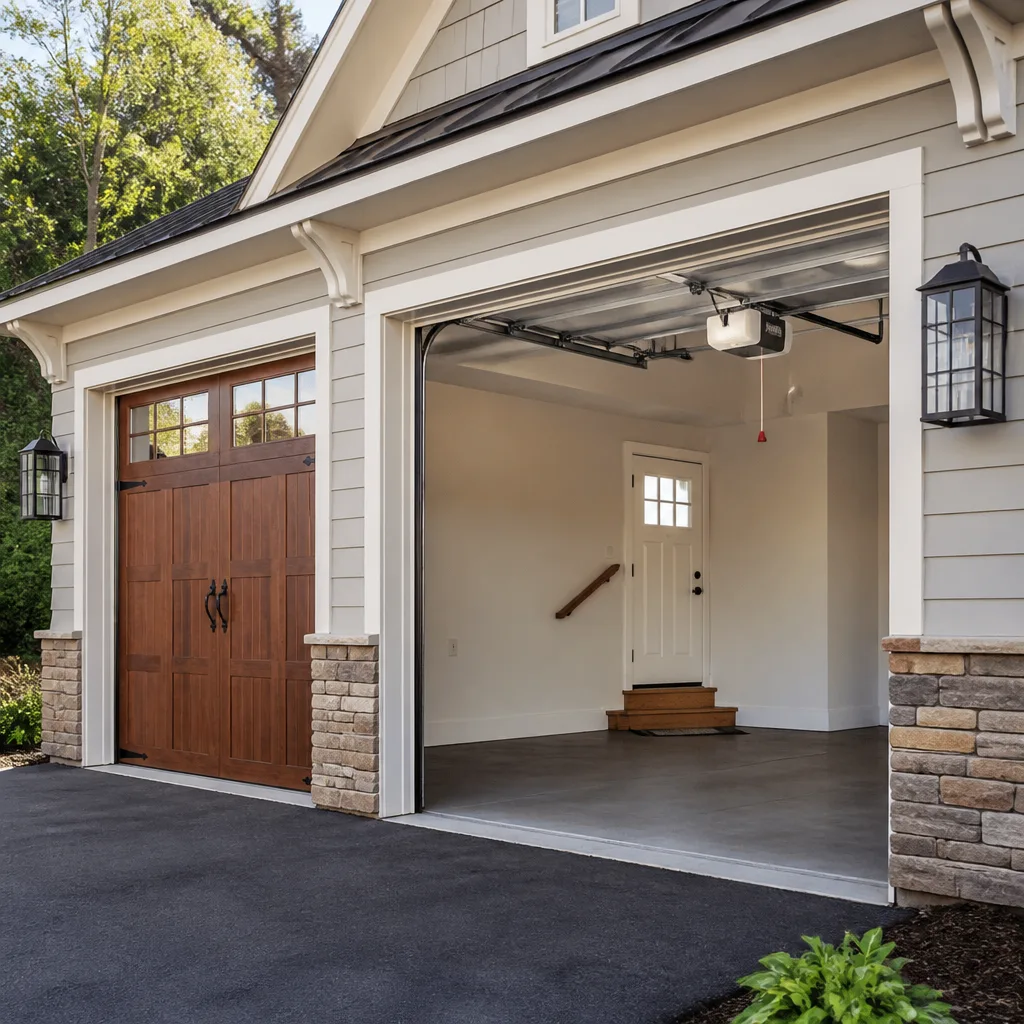
Chamberlain openers
 Before
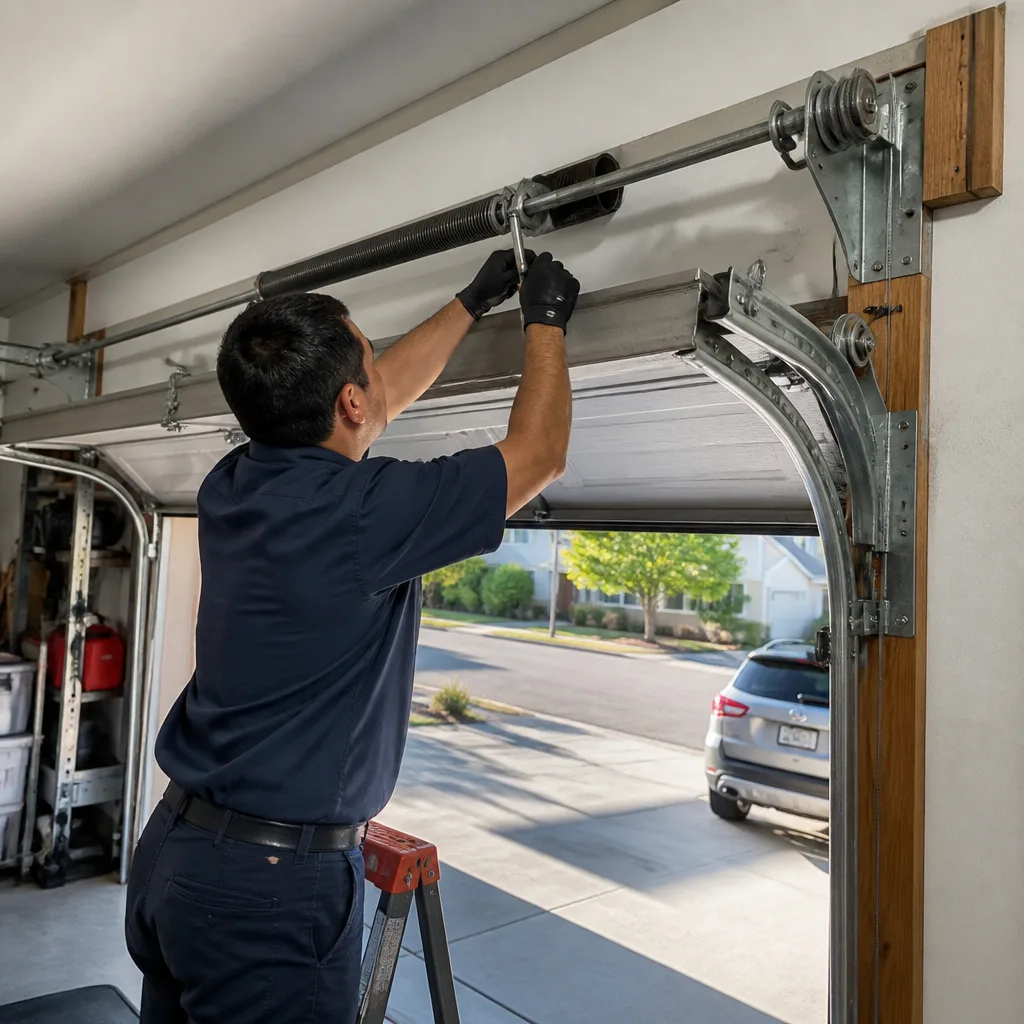 After
After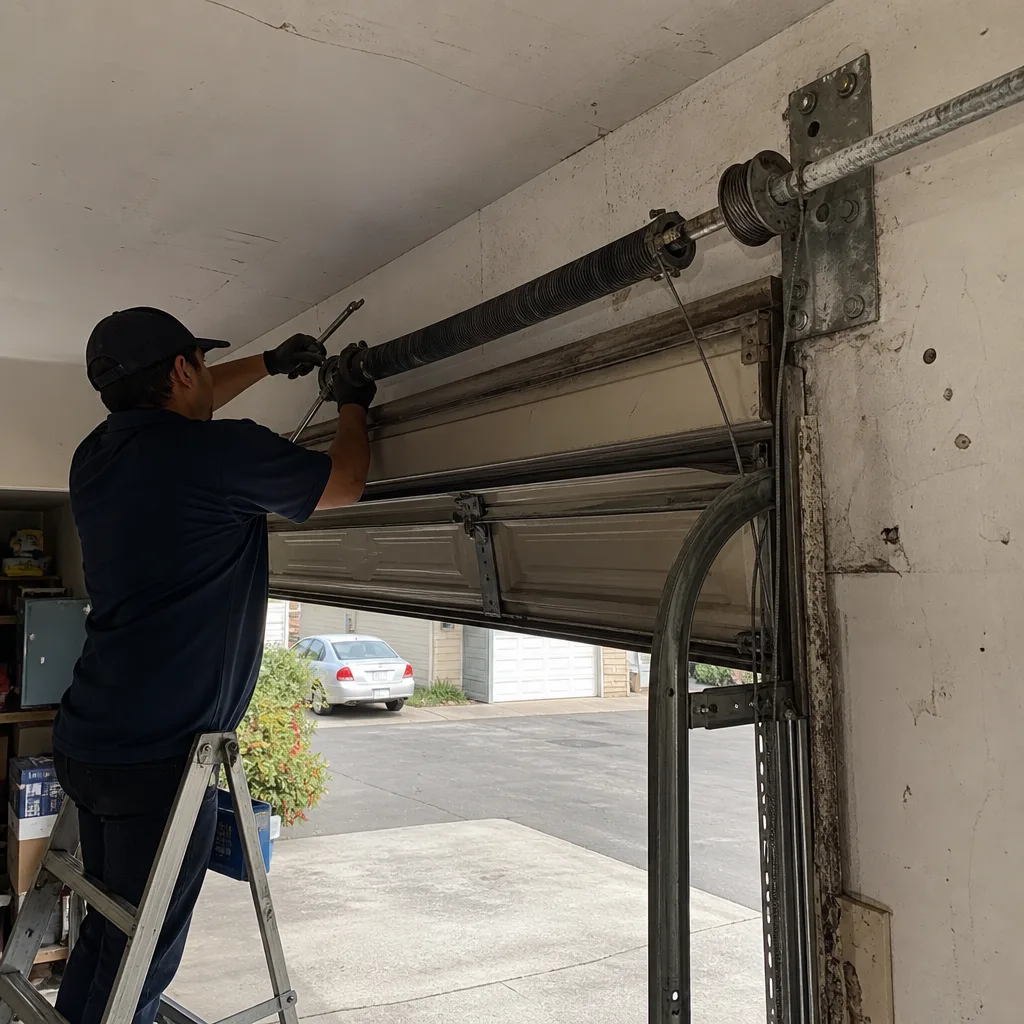 Before
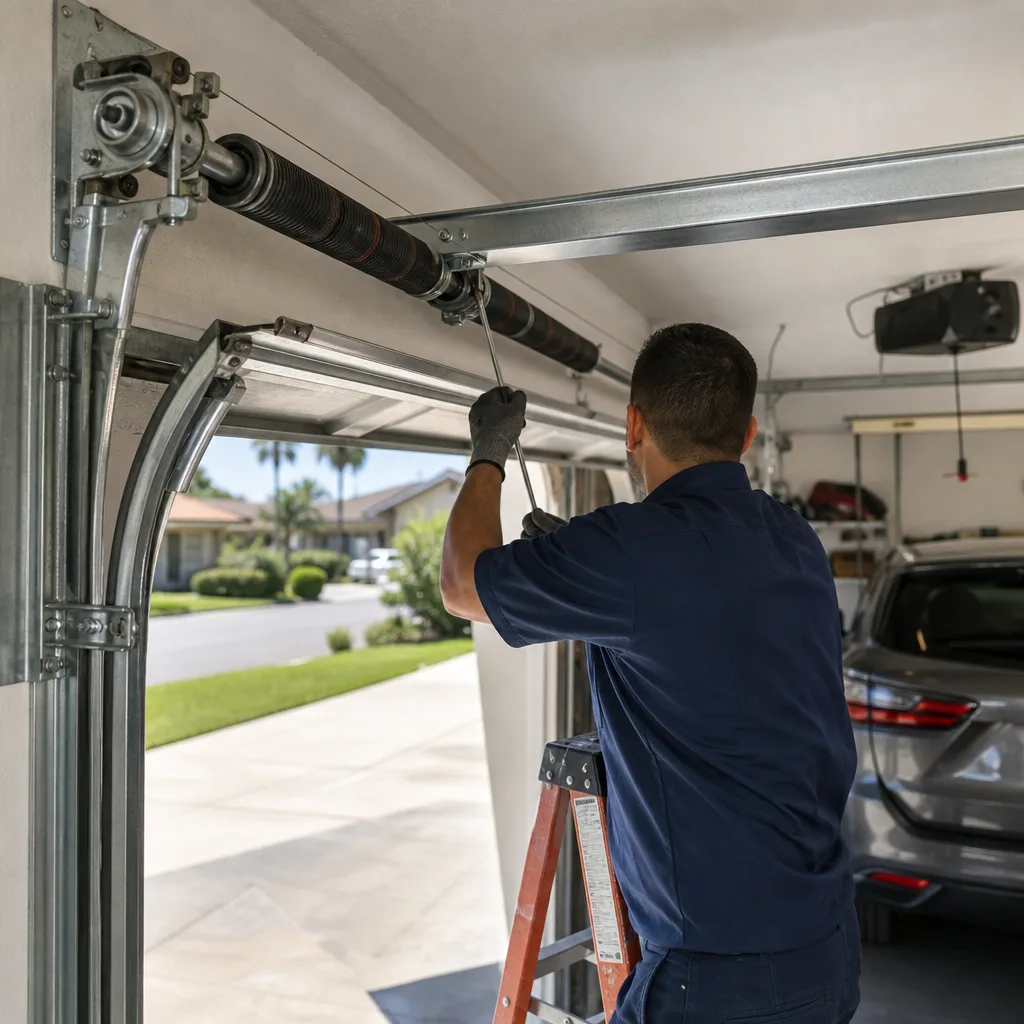 After
After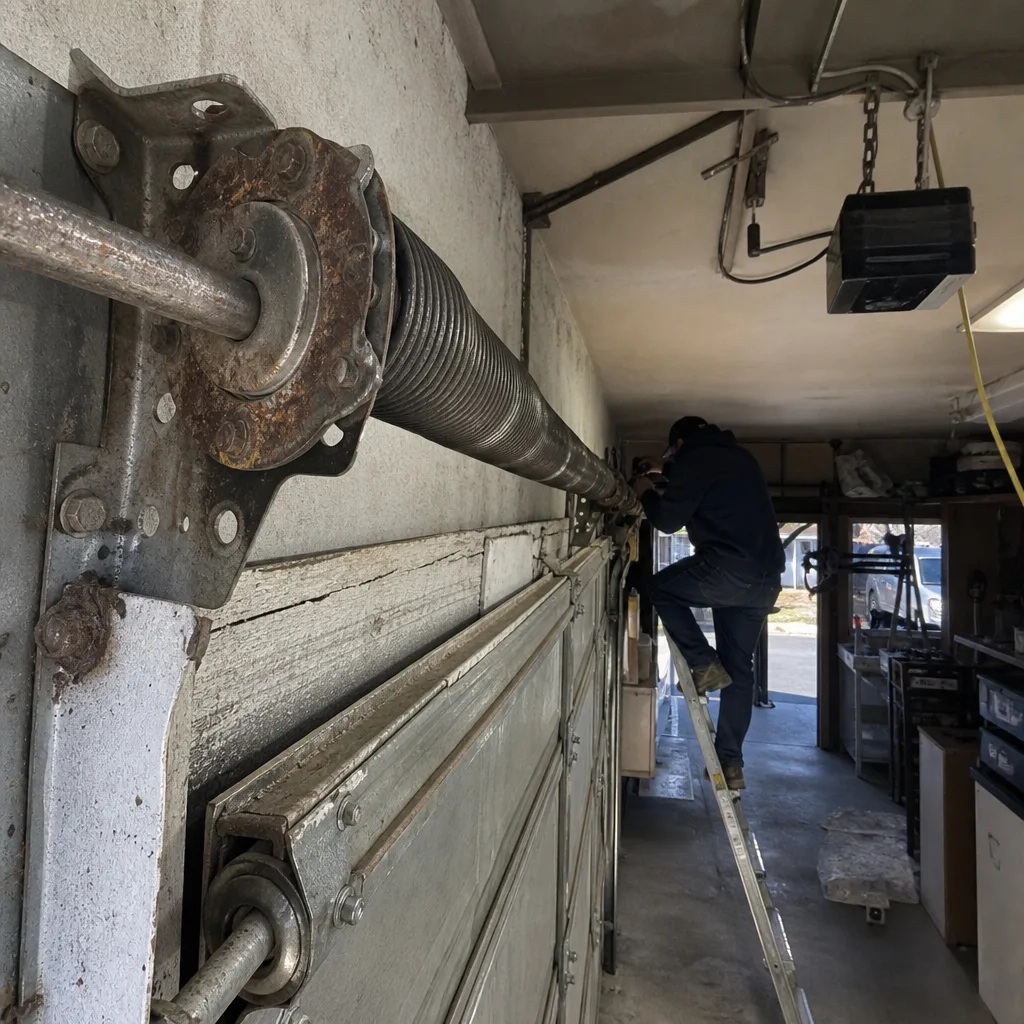 Before
 After
AfterGarage Door Warning Signs: A Anaheim Homeowner’s Reference Guide
Here’s a number most Anaheim homeowners never hear: a standard garage door cycles roughly 1,500 times a year. That’s 1,500 opportunities for a component to wear, slip, or crack. By the time you notice something’s off, the failure mechanism has usually been at work for weeks. What you’re hearing or seeing isn’t the start of a problem. It’s the middle of one. This guide is built differently from the generic lists you’ll find elsewhere-see our Complete Guide to Garage Door in Anaheim for more depth-because we’re organizing warning signs by the component producing them, not by the sensation you feel. Because a door that groans, a door that shakes, and a door that reverses aren’t three separate mysteries. They’re three languages spoken by three different parts. And once you know which part is talking, you know how urgently to act. If you’re anywhere from downtown Anaheim to Anaheim Hills, the signs below are the same ones our technicians document on service calls every week.
Quick Answer
The most common garage door warning signs in Anaheim homes are a door that reverses before or after touching the ground (opener limit or sensitivity issue), a visible gap in a torsion spring (same-day repair), grinding or squealing from the opener carriage (gear or rail wear), and a door that sags when partially open (spring fatigue). For a full walkthrough on vetting the right pro for these issues, see How to Hire a Garage Door Contractor in Anaheim: A Step-by-Step Guide. A gap in a torsion spring is the only sign on this list that requires an immediate stop to use and a same-day call. Everything else falls into a 30-day or next-maintenance timeline, and we’ll tell you which below.
Table of Contents
- Torsion Springs: The Same-Day Warning Signs
- The Opener: Motor Failure vs. Adjustment Problems
- Cables and Rollers: The 30-Day Warning Signs
- Tracks and Alignment: What a Wobble Actually Means
- Photo Eye Sensors: The Reversing Door, Decoded
- Panels and Hardware: Signs You Monitor, Not Chase
- How to Photograph a Warning Sign for Remote Diagnosis
- Common Mistakes to Avoid
- When to Call a Professional
- Frequently Asked Questions
BeforeAfterTorsion Springs: The Same-Day Warning Signs
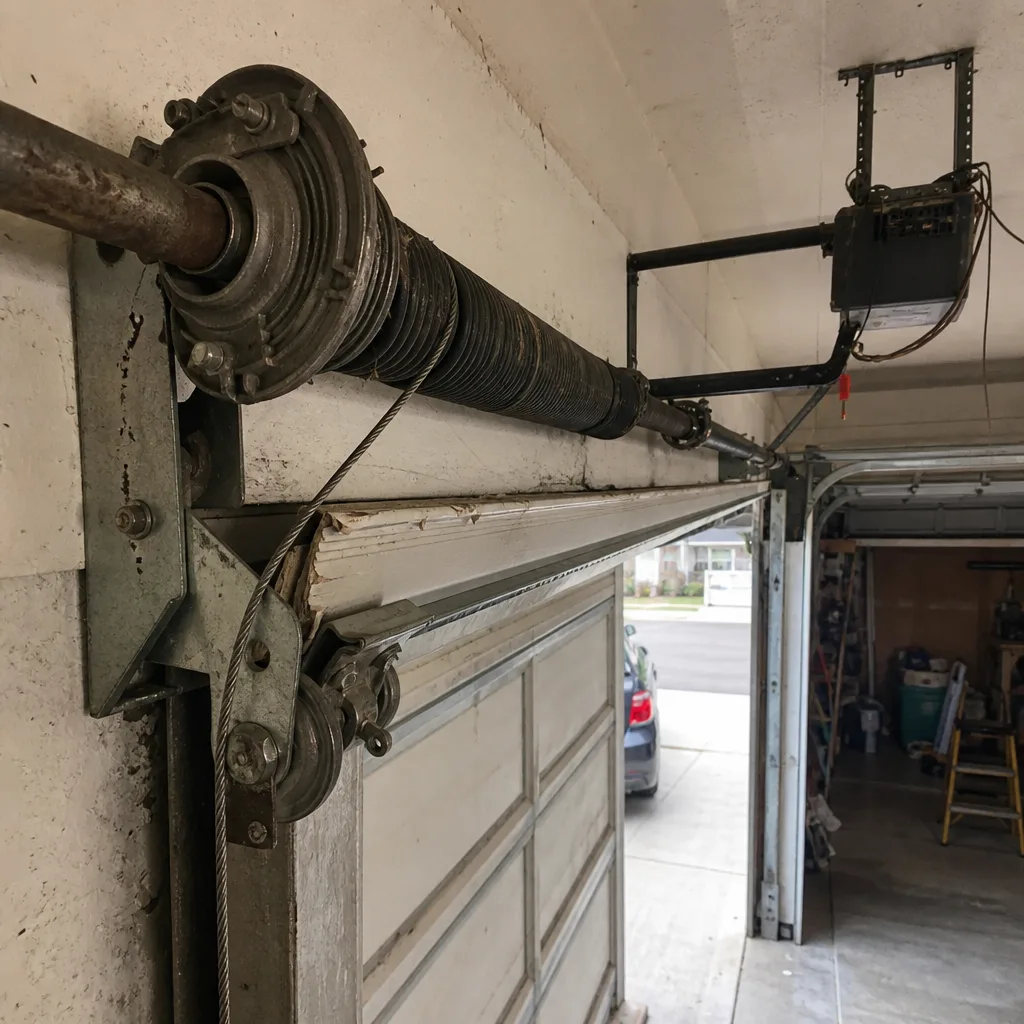
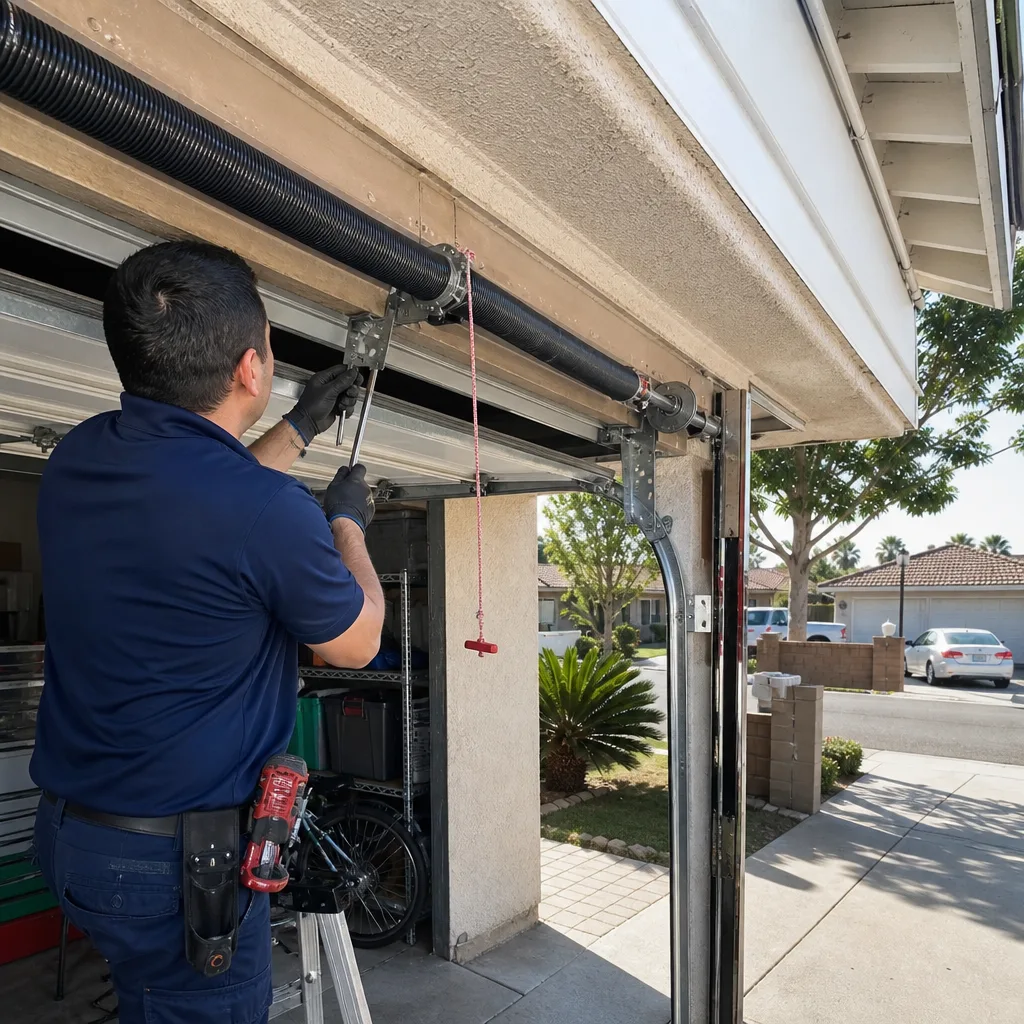
A torsion spring is the counterweight system mounted on a horizontal shaft above your closed door. It stores mechanical energy by winding, and that energy does the actual lifting. When this spring fails, your door weighs what it really weighs: somewhere between 150 and 400 pounds depending on panel material. In Anaheim’s older ranch-style homes from the 1960s and 70s, we regularly service solid-wood doors from that era that weigh at the upper end of that range. That’s not a door you want to muscle up by hand on a morning you’re late for work.
The warning sign that matters here is subtle, and most homeowners miss it because they never look at the spring directly. A torsion spring under load should have coils that sit tight against each other with no daylight between them. When a spring approaches the end of its service life, you’ll see a gap form between two coils, usually near the center of the spring’s length or close to a winding cone. That gap is metal fatigue made visible. The coil has begun to separate, and the spring is no longer distributing tension evenly.
Here’s what to know:
- Gap between coils: A quarter-inch gap is a warning sign. A half-inch gap or wider means the spring has shifted under tension and can snap without additional warning. This is a same-day call.
- Visible crack line along a coil: Hairline cracks run perpendicular to the coil, not along it. If you can see one with a flashlight, the spring is done. Stop using the door.
- Door feels heavy when disengaged: Pull the red emergency release cord (with the door closed). If the door takes real effort to lift, the spring is no longer carrying its share.
- Loud bang from the garage: That’s the spring letting go. It sounds like someone hit the wall with a sledgehammer. The door will not open, and if you try to lift it, you’re lifting the full weight alone.
Anaheim-specific note: the temperature swings between our cool coastal mornings and hot Santa Ana afternoons accelerate metal fatigue in torsion springs. We see more spring failures in September and October, after a full summer of expansion and contraction cycles, than any other time of year. Garage Door Repair in Anaheim calls spike the week after the first autumn heat wave. That’s not a coincidence. It’s thermal cycling doing what thermal cycling does.
What to do: If you see a coil gap, stop using the door and call someone today. This is a same-day repair. The spring is under enough tension to do real damage if it snaps in use, and a door that drops uncontrolled can injure a person or damage a vehicle in the bay.
The Opener: Motor Failure vs. Adjustment Problems
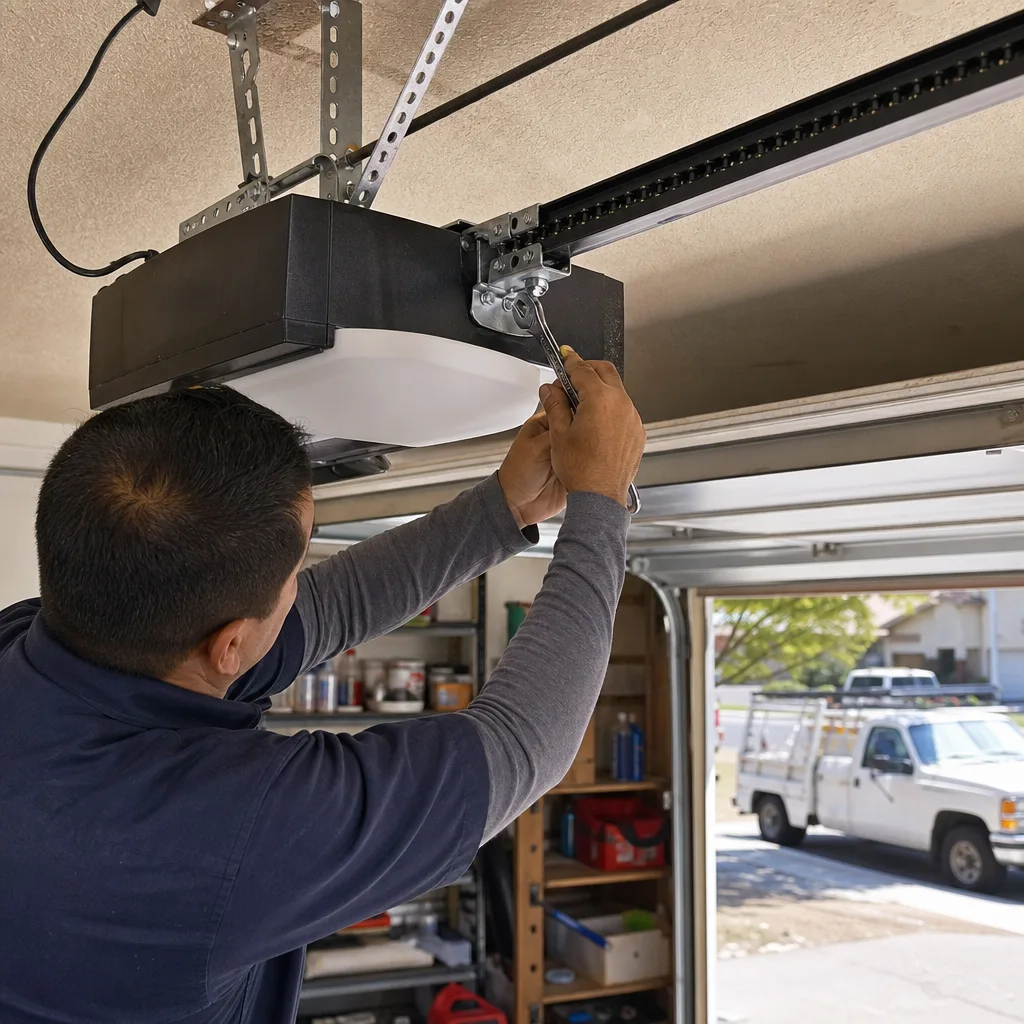
Here’s the distinction most lists get wrong: an opener that runs but doesn’t move the door is a different problem than an opener that groans, grinds, or labors. The first is usually mechanical (a stripped gear or broken trolley carriage). The second is usually electronic (a failing capacitor, a logic board sending poor voltage, or a motor winding breaking down). Different problems, different repair costs, different timelines.
Grinding noise when the opener runs
This is the nylon gear inside the opener housing. It’s designed as the sacrificial component: the gear strips before the motor burns out. On LiftMaster, Chamberlain, and Craftsman units (all manufactured by the Chamberlain group, so the part’s the same), the gear costs less than $30 as a part. The diagnostic question is whether you’ve caught it before the motor overheated. If the opener grinds for weeks while the gear teeth are gone, the motor runs without load and can burn out. That’s the difference between a $150 repair and a $500 opener replacement.
Squealing when the door moves
Squeal from the opener carriage, not the door panels, usually means the rail needs lubrication or the trolley carriage bushings are worn. If lubricating the rail with a garage-door-specific lubricant quiets it, you’ve solved it. If the squeal persists, the carriage bushing is rounding out and will eventually bind. That’s a schedule-within-30-days repair.
Door reverses before reaching the floor
This is a close-force sensitivity setting. The opener senses resistance that isn’t there, thinks it hit something, and reverses. On most openers, there are dials or buttons on the motor unit to adjust close force. It’s a ten-minute fix if you know which adjustment to make. If adjusting it doesn’t work, the logic board may be misreading resistance and the board itself is failing. That’s an opener repair, not an adjustment.
Door reverses immediately after touching the floor
This one’s the limit switch. The opener doesn’t know where “down” is, so it hits the floor, interprets that as an obstruction, and reverses. The limit switch setting governs how far the door travels before the motor stops. If it’s out of calibration, the door will either reverse off the floor or slam into the floor with excessive force. Both are adjustment issues. If adjusting the limit doesn’t fix it, the limit switch contacts are worn or the logic board isn’t reading the position correctly. At that point, you’re into component replacement territory.
For more detail on the opener side of things, see Garage Door Opener Repair & Installation in Anaheim.
Cables and Rollers: The 30-Day Warning Signs
Cables don’t fail suddenly the way springs do. They fray first. You’ll see individual wire strands poking out from the cable’s main bundle, usually near the bottom bracket where the cable anchors to the door. The cable runs under high tension, and once strands start separating, the remaining wires carry more load each, accelerating further fraying. This is a schedule-within-30-days repair, but not a same-day emergency unless you see actual cable deformation (a kink or a visible narrowing of the cable’s diameter at one point).
Rollers are simpler. Steel rollers with worn bearings sound like a rumble, especially when the door moves fast in the middle of its travel. Nylon rollers that have cracked or flattened produce a clicking or thumping sound on each pass through the track radius. Here’s the Anaheim-specific detail: homes in the flatlands near Disneyland and the 57 see more roller and track corrosion than homes in Anaheim Hills due to marine layer proximity. Salt in the air works on the bearing races. If your rollers are original to a house built in the 1990s or early 2000s, they’re at or beyond their service life and should be on your next maintenance check-in list. Our Seasonal Garage Door Care for Anaheim: Year-Round Homeowner’s Guide covers when to schedule that work.
Signs that belong in this 30-day bucket:
- Individual cable strands resting against the drum or sticking out from the cable bundle
- Rumbling that corresponds to door speed, not panel vibration
- One side of the door sits visibly lower than the other when fully closed
- Roller wheels that wobble on their shafts when the door moves
If the cable has fully separated from the door, that changes the calculus. A door held by one cable is a door under asymmetrical load, and the remaining cable can fail catastrophically. The moment you see a free cable end or hear a cable snap, stop using the door and treat it as an emergency call.
Tracks and Alignment: What a Wobble Actually Means
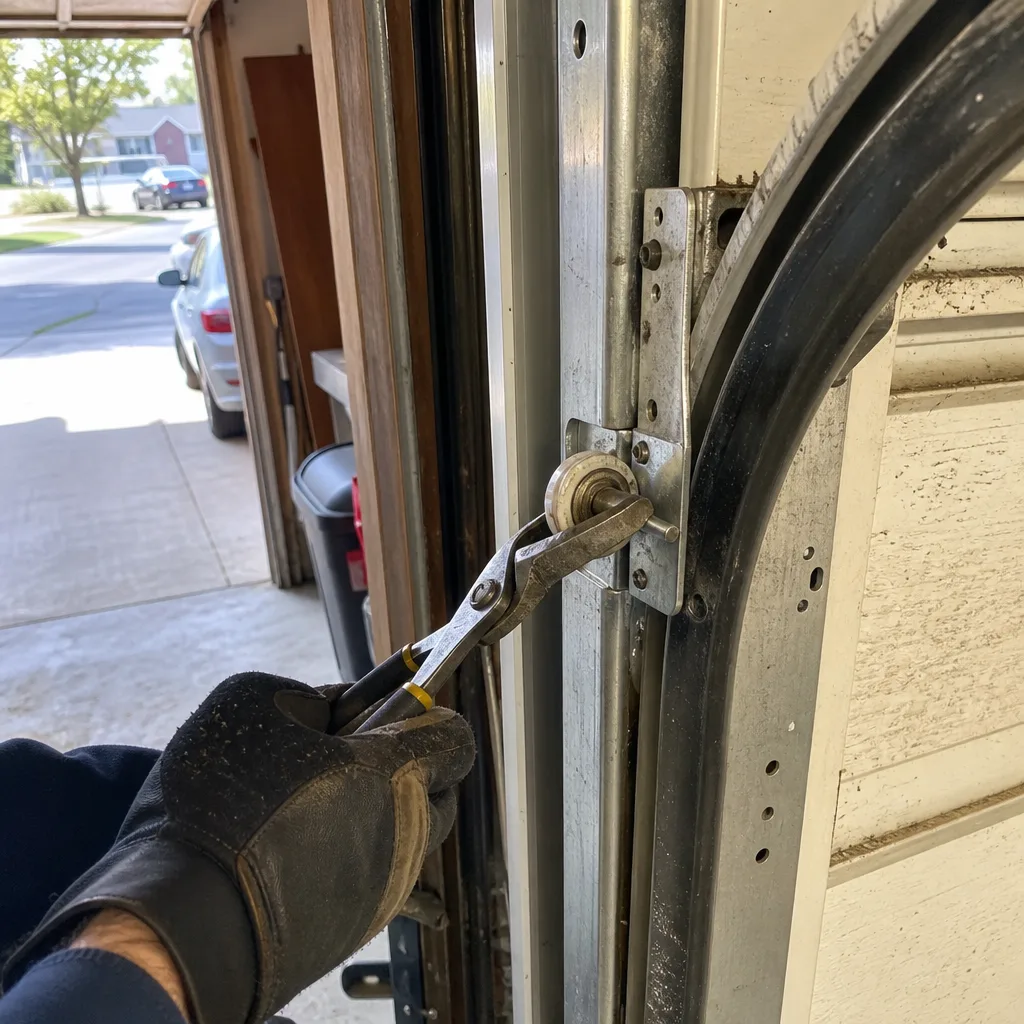
A door that visibly shudders while moving is almost never a motor problem. It’s a track or alignment problem. The motor operates at a constant speed. If the door looks like it’s fluttering, stuttering, or wobbling in the track, the door itself is meeting resistance somewhere and fighting through it.
Common causes, in order of frequency we see in Anaheim service calls:
- Track misalignment: A track that’s been knocked by a car bumper (not uncommon in tighter Anaheim garages where the family SUV just fits) shifts the vertical-to-horizontal transition radius. The roller enters the curve at the wrong angle, binds momentarily, and releases. That’s your shudder.
- Loose mounting brackets: The track bolts back out over years of vibration. The track flexes under load where it should be rigid.
- Bent track section: Less common, but we see it after a bicycle or ladder falls against the track or a child swings from the horizontal track. The roller has to climb a flat spot.
- Roller spacing or worn roller bearings: Covered above, but the symptom overlaps.
The diagnostic test is simple: watch the door from the side while it runs. If the shudder happens at the same point in the travel every time, it’s usually track geometry. If it’s random, it’s usually rollers. If the door runs silently and smoothly by hand (with the opener disengaged) but shudders under opener power, you may have a mount or reinforcement issue on the opener brace itself.
Photo Eye Sensors: The Reversing Door, Decoded
The federal mandate requiring photoelectric sensors on all residential openers took effect in 1993. If your house was built or retrofitted after that, you have two small units mounted on either side of the door opening, six inches off the floor. They project an invisible beam across the opening. Break the beam while the door is closing, and the door reverses.
The warning sign here is a door that reverses for no apparent reason, with a clear floor and no obstruction. It’s often a sensor problem, not an opener problem. Here’s the diagnostic sequence we run:
- Check the LED indicator on the sensor. A solid light means the sensor has power and alignment. A flickering light means misalignment. A dark sensor means no power.
- Wipe the lens. Spider webs, dust, and Anaheim’s always-present fine-grit dust (especially during Santa Ana season) coat the lens and scatter the beam enough to break detection.
- Look for direct sun. Anaheim garages that face west get afternoon sun angles that can wash out the beam sensor in the fall and spring equinox weeks. If the door only misbehaves at a certain time of day, angle a small shade over the sensor, or swap the two sensors (one is a send unit, one is a receive unit) so the receiver isn’t staring into the sun.
- Check for vibration-induced drift. The brackets holding the sensors can creep out of alignment when the opener rail vibrates. The sensor still has power, but its beam doesn’t hit the receiver.
When to treat sensor symptoms as something more serious: if the door reverses with the sensors aligned, lenses clean, and no sun interference, the logic board may be misreading the sensor signal. At that point, you’re in opener repair territory. Replacing sensors won’t fix it because the sensors were never the problem.
Panels and Hardware: Signs You Monitor, Not Chase
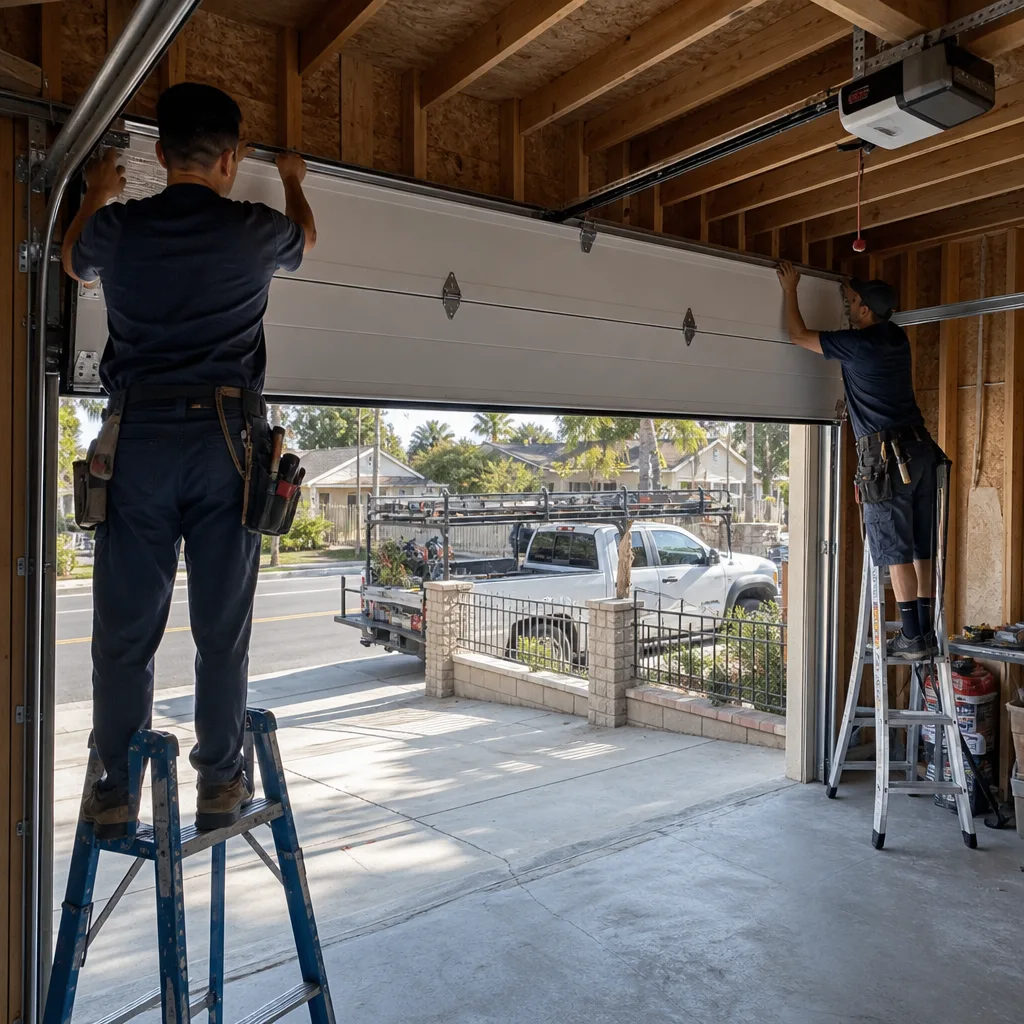
Some warning signs don’t have a repair timeline because they don’t demand one. They’re data points. They tell you where your door is in its service life so you can plan a budget and a schedule instead of reacting to a failure.
Panel delamination is one of those signs. If you have a steel door with a foam core (the standard construction on Clopay and Amarr residential doors for the last 25 years), the outer steel skin can separate from the inner frame at the panel edges. You’ll see the skin bow out or hear a metallic pop when the panel flexes. The door still operates. The structural integrity is still there, for now. But delamination accelerates faster in hot climates, and Anaheim’s summer attic-to-garage heat doesn’t help. Monitor it at a six-month interval.
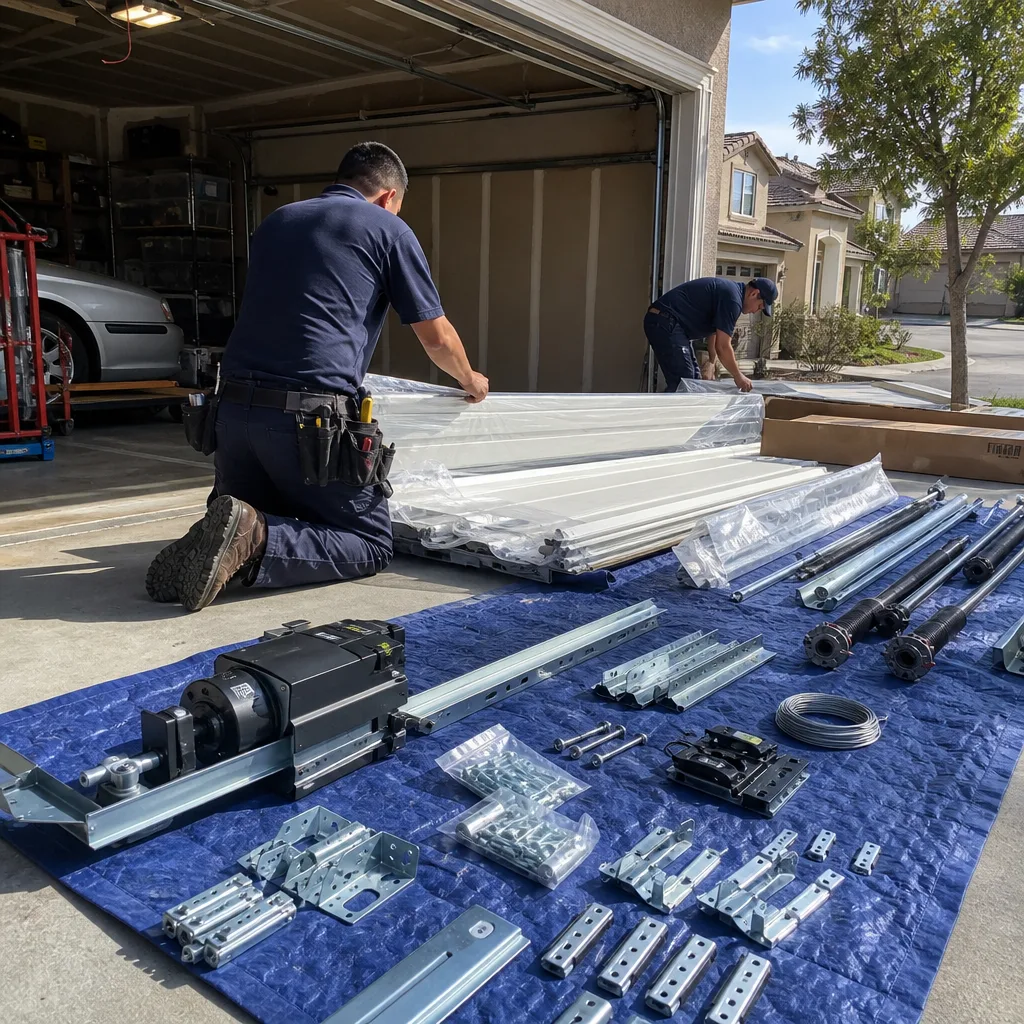
Rust at the bottom panel’s lower edge is a similar monitor item, particularly on the coastal side of Anaheim and in neighborhoods with irrigation overspray hitting the door. Rust never self-repairs. It only informs a future Garage Door Installation in Anaheim decision. If the rust is surface-level, treat it and repaint. If it’s pitting through the steel, start planning a replacement in the next 12 to 24 months. Most homeowners choose Clopay or Wayne Dalton replacements when the time comes: similar price points to Amarr, with the foam-core insulation ratings that matter in a garage that gets direct afternoon sun.
How to Photograph a Warning Sign for Remote Diagnosis
This is the section most guides don’t write. Here’s the reality: we offer remote photo diagnosis because a well-framed photograph tells us more than a verbal description ever could. “The door makes a grinding noise” is ambiguous. A photograph of a torsion spring with a visible coil gap is not. You can also send photos to any contractor you’re considering for a second opinion, which we encourage, because the Free Second Opinion offer we run applies to any written estimate you bring in. Bring another company’s paperwork, and we’ll evaluate it against what we find.
If you’re photographing a warning sign to send for diagnosis:
- Use a flash or strong flashlight. The target is a dark metal component in a garage that’s usually backlit. Without additional light, even a high-end phone camera produces a silhouette.
- Get the component in the center of the frame. Not the whole door. The spring gap. The frayed cable. The stripped gear. Fill the frame with the part.
- Include a reference object for scale. A coin, a house key, or your finger next to the gap or fray gives us the actual dimension. A half-inch gap looks like a quarter-inch gap in a wide shot.
- Take one wide orientation shot first. Then a close-up. The wide shot tells us which component and where on the door. The close-up tells us the severity.
- For noises you can’t photograph, take video. Ten seconds of the door running from the inside, camera aimed at the suspected component. Sound plus motion is enough detail in most cases.
What never works: a photo from the driveway, taken at dusk, with the door closed and the flashlight off. We can’t see a spring gap through a closed door. We can’t see a cable fray from 15 feet. The photo record we deliver on every visit follows the same logic in reverse: we photograph what we found before any work is done, and you receive that record when we leave. It’s the evidence trail that’s been in place since Servo’s first service call back in 2015.
Common Mistakes to Avoid
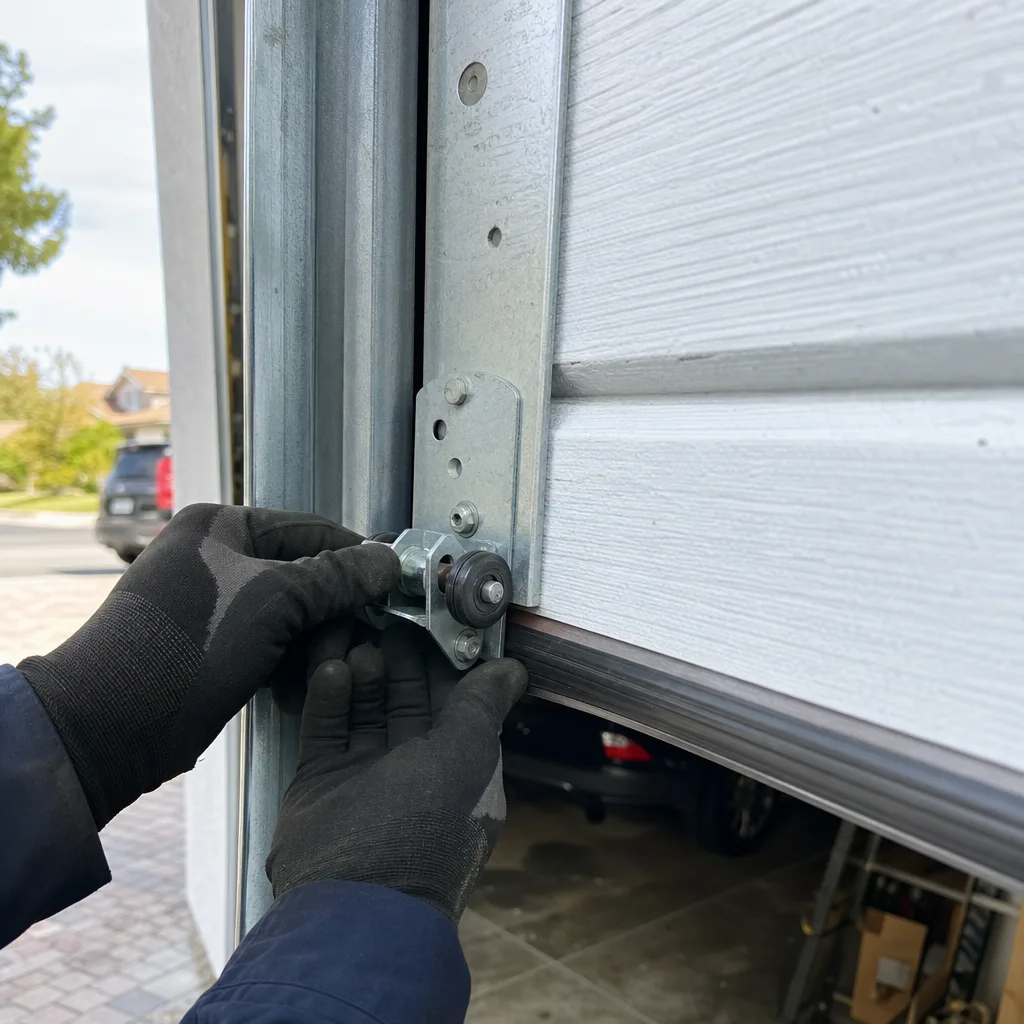
- Ignoring a grinding opener for weeks. The stripped gear is designed to fail before the motor. If you let it grind for a month, the motor runs unloaded and can burn out. That’s the difference between a $150 gear replacement and a full opener swap at $500+.
- Lubricating without cleaning first. Spraying garage-door lubricant over accumulated dust and grit makes a grinding paste that accelerates wear on rollers and hinges. Wipe the track and the roller bearings clean first.
- Using WD-40 on a garage door. WD-40 is a light-duty water dispersant, not a lubricant. It evaporates, and what’s left is a thin film that does nothing for bearing surfaces under load. Use a garage-door-specific lubricant, or plain white lithium grease on metal-to-metal contact points.
- Attempting DIY torsion spring work. This is the one component with stored kinetic energy. A spring under tension that releases while you’re manipulating it will hurt you. Anaheim homeowners who are otherwise very capable in their garages regularly hand this one to a professional because the math doesn’t change: this is the job where the mistake is irreversible. Our technicians follow The Haven Standard on every spring replacement, which includes photographing the failed spring before quoting anything.
- Ignoring a door that’s slow to lift or sags when half open. “Slow” is spring fatigue. It won’t recover. It only continues until the spring fails completely. Schedule the replacement during the 30-day window, while you still have time to choose, rather than after a spring snaps the night before a trip.
- Adjusting your own limit switches and close-force dials by trial and error. If you don’t know which dial does what, you can set the close force too high. That’s how a door crushes a plastic bin in the garage, or worse, closes on a person who wasn’t expecting it. The limit switch and close-force settings are calibrated for safe operation, not maximum convenience.
When to Call a Professional
Call same-day for a visible torsion spring gap or coil separation, a snapped cable, a door that’s fallen hard after the spring failed, or a child or pet that may have had an encounter with a reversing door. Call within 30 days for frayed cables, grinding opener gears that just started, track alignment work, or a door that shudders at specific points in its travel. Schedule at your next maintenance interval for panel delamination, bottom-panel rust, worn rollers, and slow-lift spring fatigue before it becomes a hard failure. Servo Garage Doors Anaheim home service area covers all Anaheim neighborhoods from the 92801 industrial district to Anaheim Hills. If you’d rather not self-diagnose, we provide free estimates in Anaheim. Call (949) 822-8002.
Frequently Asked Questions
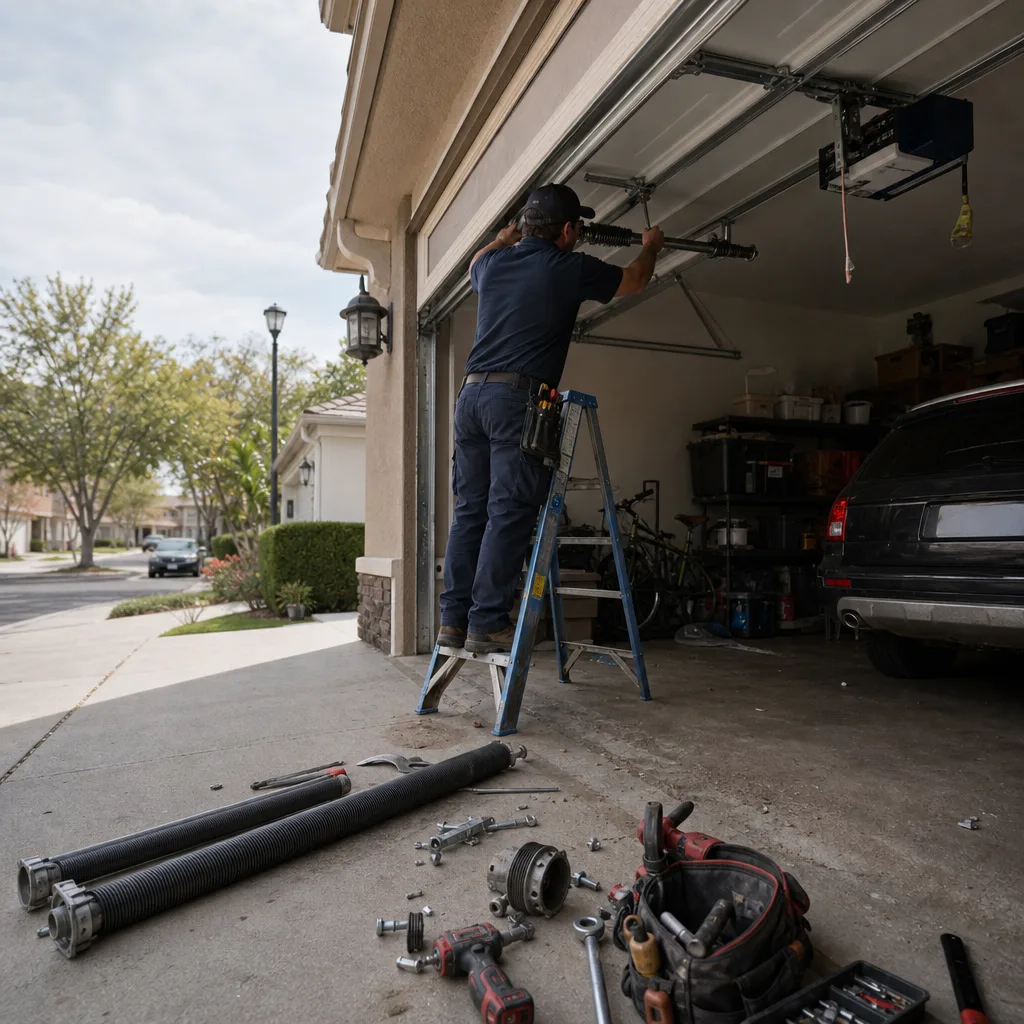
Torsion spring replacement in Anaheim typically runs $280 to $520, including both springs (with one spring broken, the second is at end-of-life and gets replaced in the same visit), labor, and a documented photo record. The price range accounts for spring wire diameter and door weight class. We quote a flat, written price before any work starts, per Clause 1 of The Haven Standard. Call (949) 822-8002 for an exact quote, which is free.
A spring gap is a visible space between two adjacent coils on a wound torsion spring, often near the center of the shaft. The coils that should touch edge-to-edge have separated, and you’ll see the gap widen over weeks until the spring snaps. If you can see a gap wider than the thickness of a quarter, stop using the door and call for service that day.
An opener that grinds while the motor runs, but the door doesn’t move, indicates a stripped gear, not a bad motor. If you catch it early, the motor’s fine. If the opener runs through its cycle with no response from the door at all and no grinding, the motor may have failed. The most reliable indicator is intermittent operation: a motor that works sometimes and works weakly other times is delivering uneven output and will fail completely, usually on a holiday morning.
Yes. Most sensor problems are alignment issues, dirty lenses, or sun interference, all of which are corrected without replacing parts. If the sensor shows a solid LED and the lens is clean, but the door still reverses randomly, the problem may be in the opener’s logic board rather than the sensor. Replacing functioning sensors won’t resolve a logic board fault.
Take three photos: a wide orientation shot showing the whole door and opener rail, a close-up of the component you suspect is producing the noise (gear, roller, spring, or cable), and a reference shot with a coin or key for scale. If the issue is sound-based, capture a ten-second video with the camera pointed at the suspected component while the door runs. Send all three to whoever you’re asking for diagnosis.
Reversing without an obstruction is either a sensor issue or an opener adjustment issue, depending on when the reversal happens. Reversing before the floor means close-force sensitivity is set too low. Reversing immediately after touching the floor means the limit switch is out of calibration. If both are set correctly and the door still reverses, the logic board is misreading signals and requires professional diagnosis.
The Bottom Line
Warning signs are not random events. They are component outputs, and each one has a timeline. Same-day urgency belongs to torsion springs with visible gaps and snapped cables. Thirty-day scheduling belongs to fraying cables, grinding gears, track misalignment, and sensor calibration issues. Monitoring belongs to panel delamination, rust, and slow-lift fatigue. Learn the signs, photograph them properly, and act on a timeline instead of reacting to a failure in the dark on a work morning. For ongoing tips, explore our more guides & resources. Most Anaheim garage door failures give weeks of notice before they become emergencies. The homeowners who read the signs correctly are the ones calling on their schedule, with a written estimate in hand, instead of on a Tuesday at 7:15 a.m. with the car stuck inside.
Written by Marcus Deller, Owner at Servo Garage Doors Anaheim, serving Anaheim since 2015.